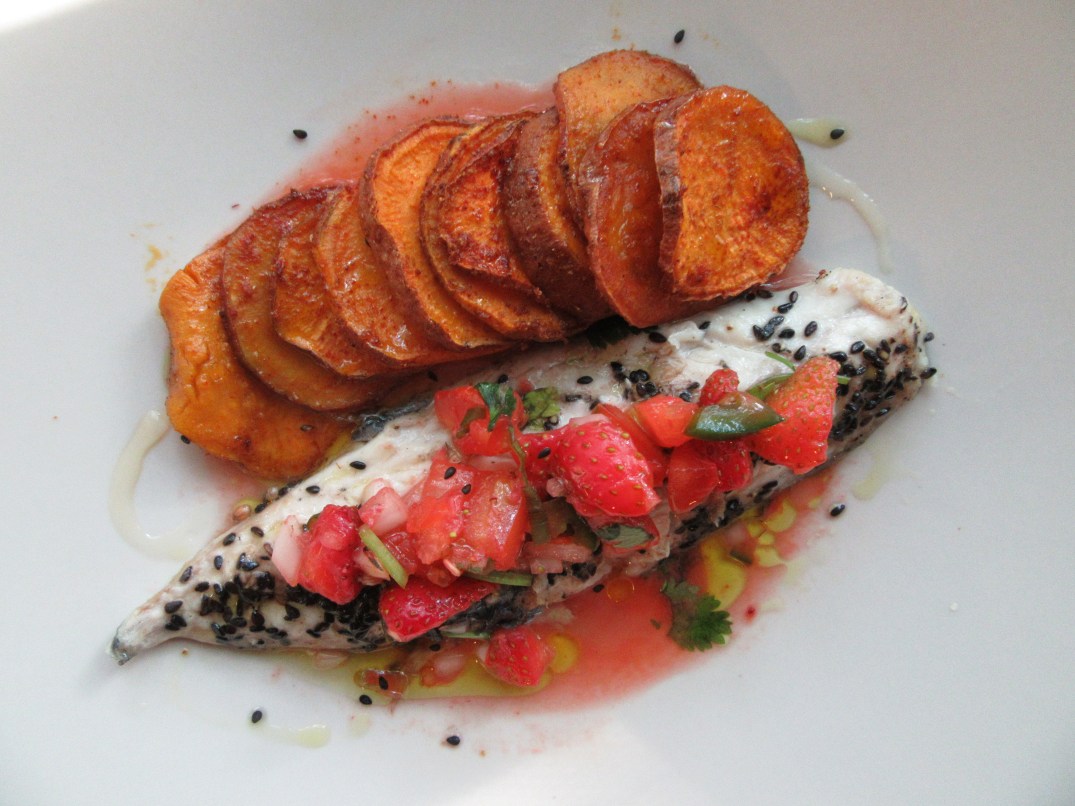
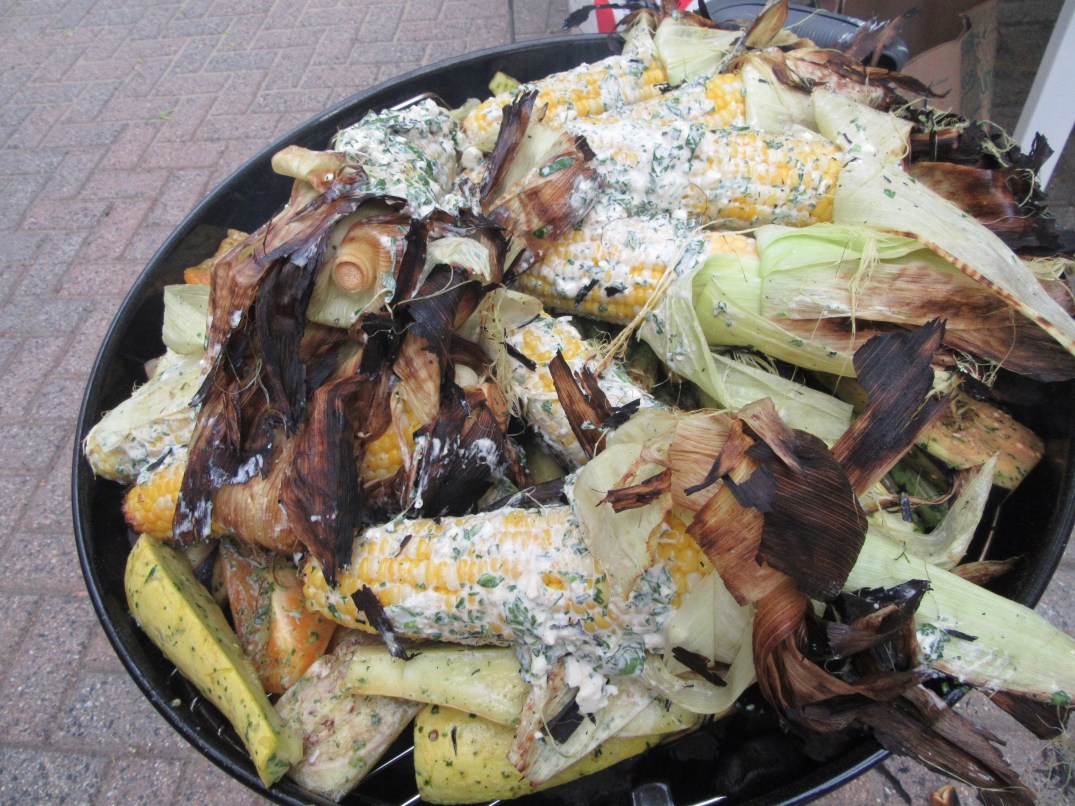
N.carolina softshell crab: fried with black sesame and oat flour, pickled peppers, grilled leek

lemon-roasted broccolini with cumin

spring salad: beet, chevre, basil

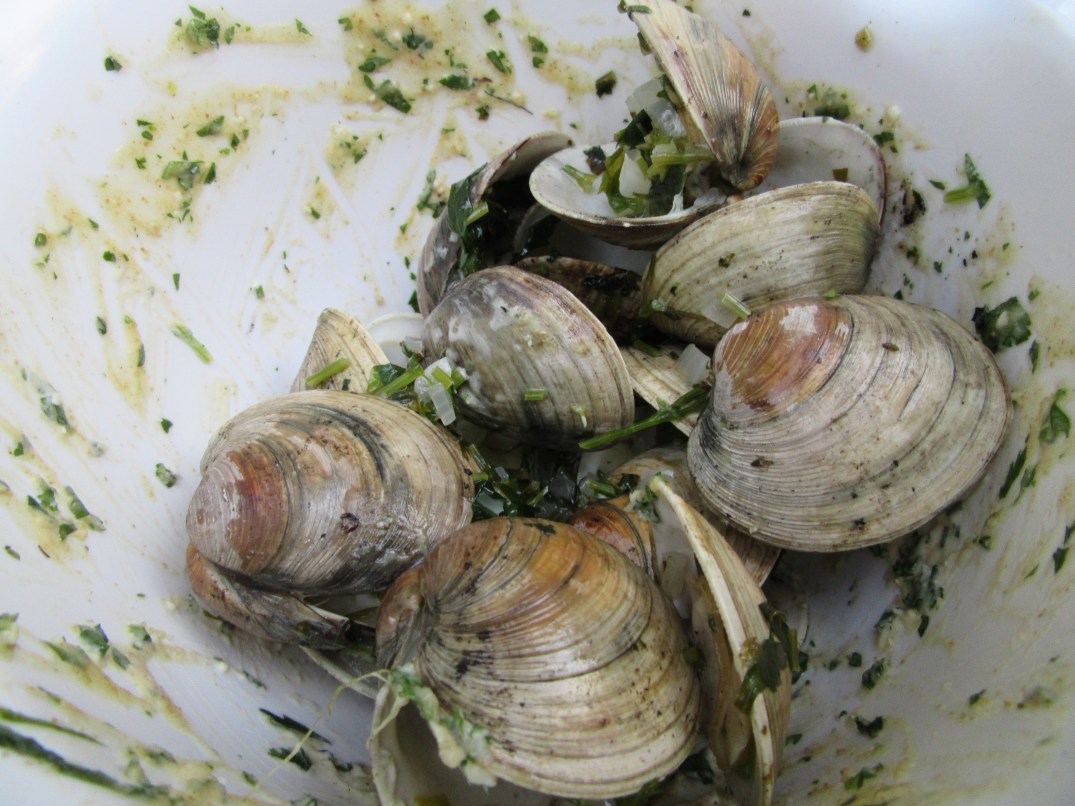
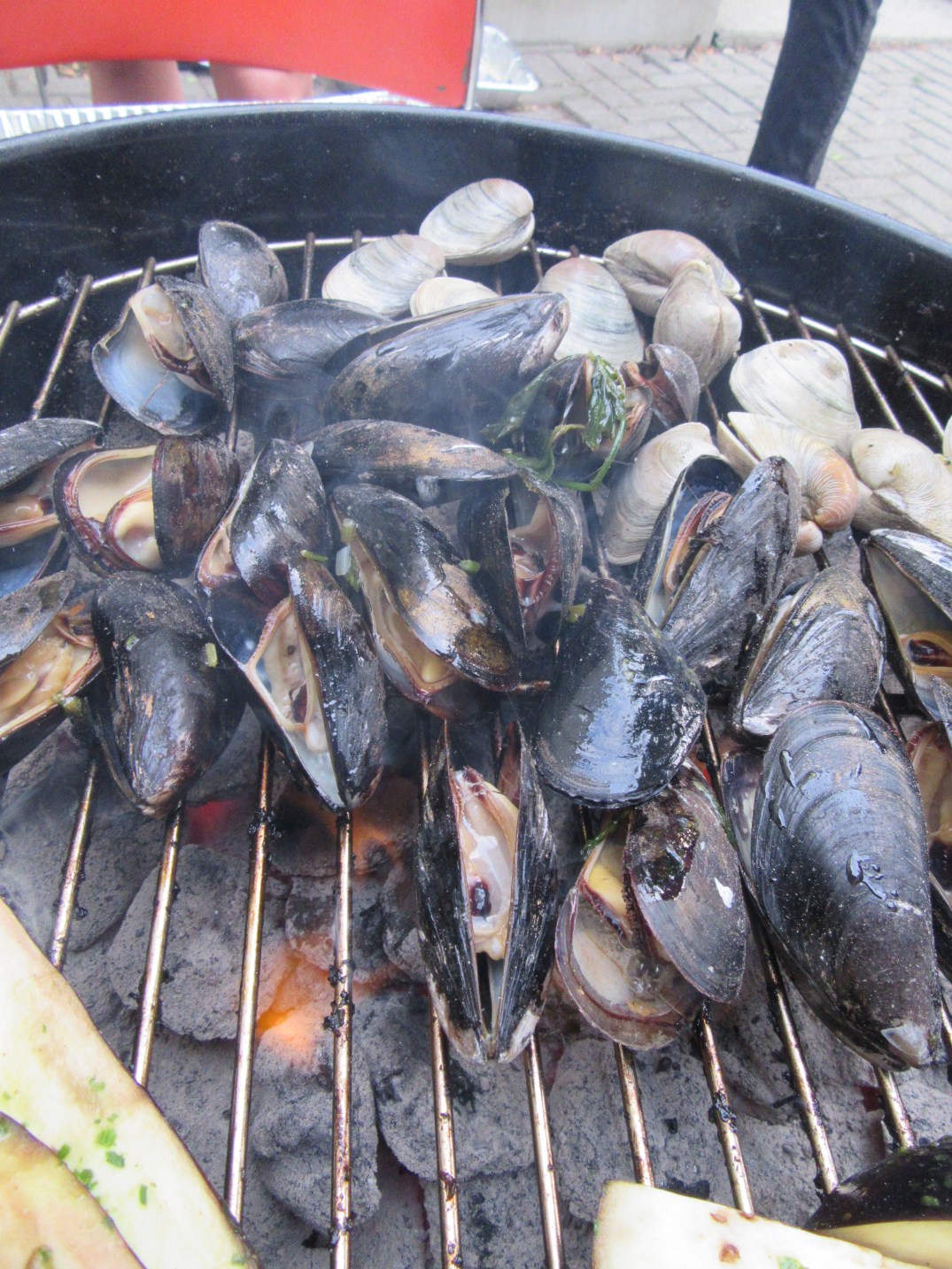
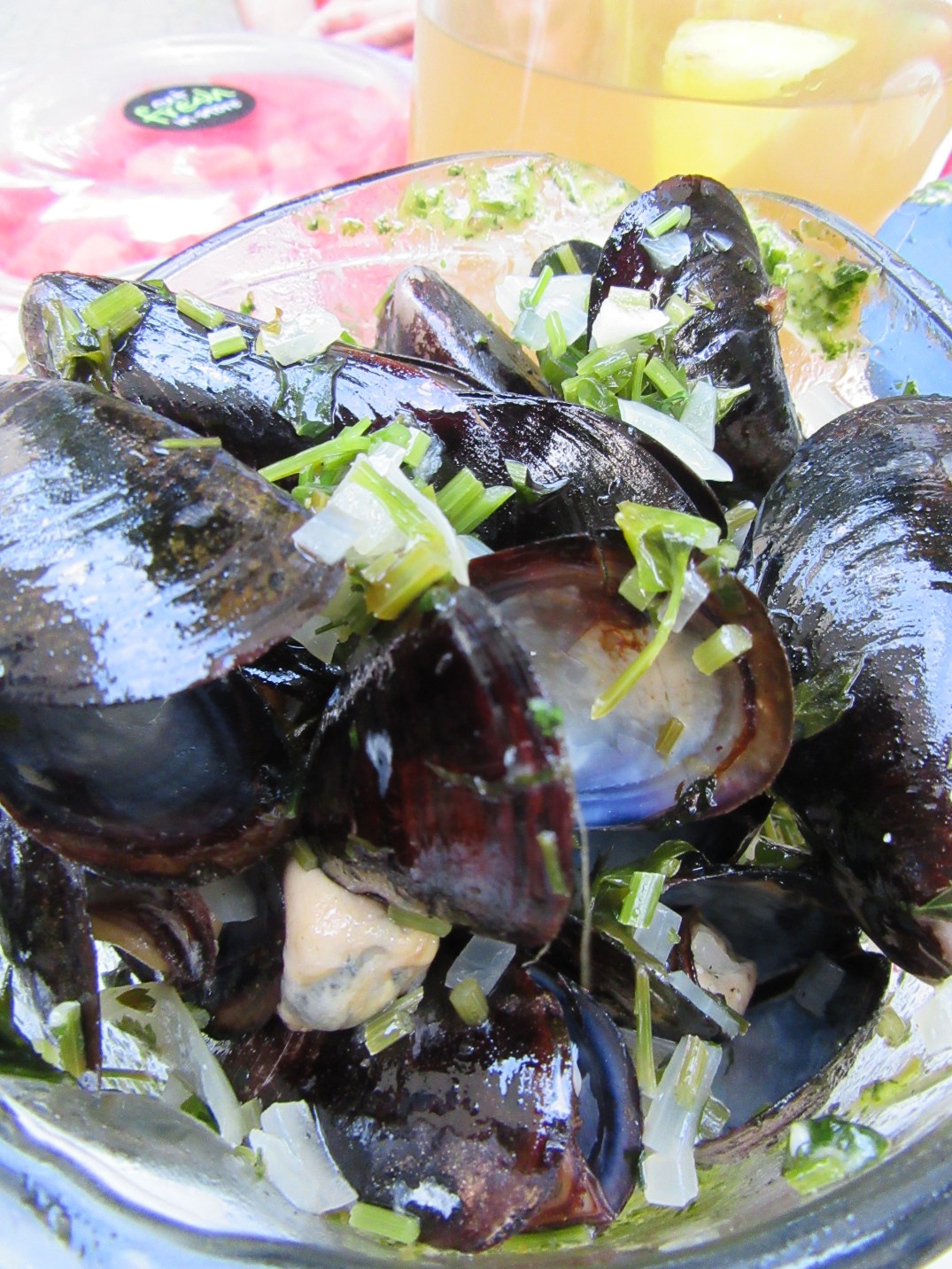
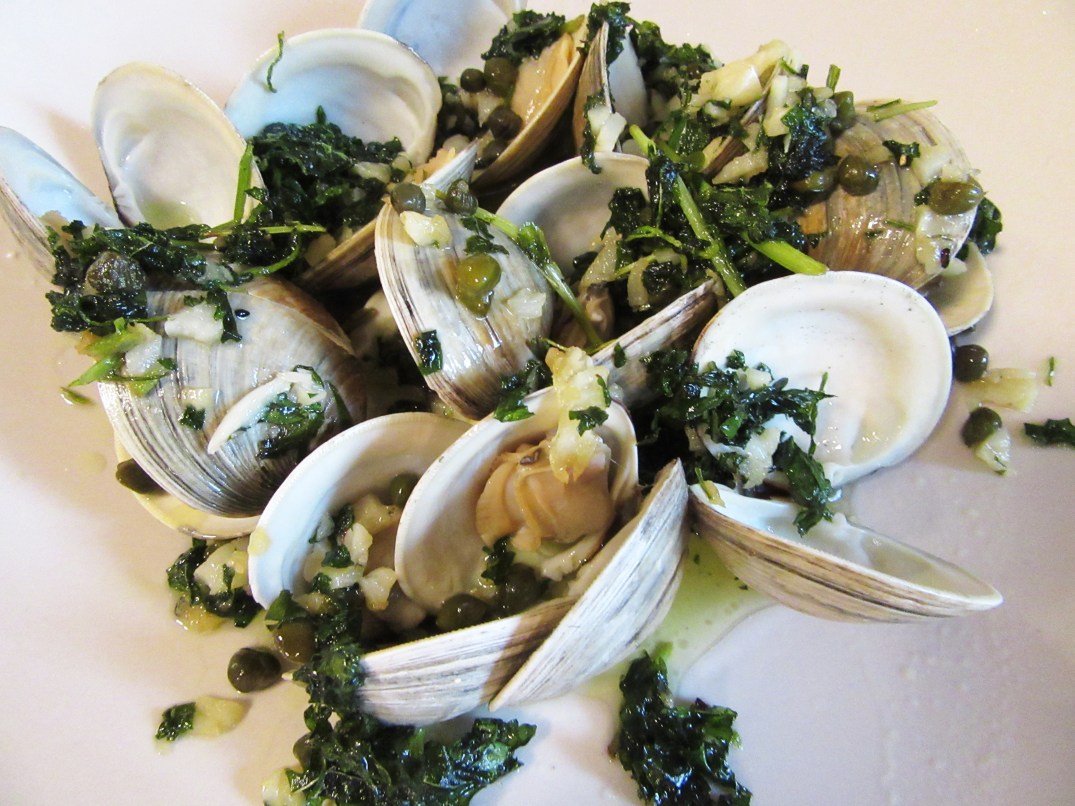
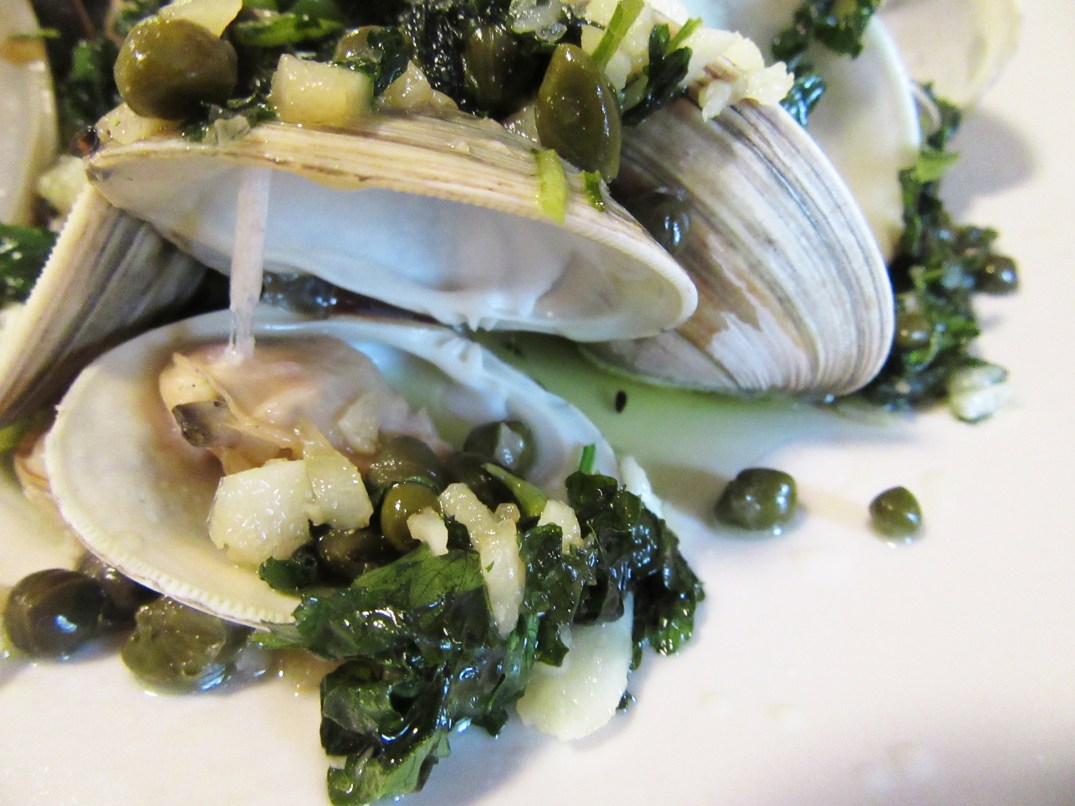
cape cod littlenecks: steamed in dry apple cider, with scorched garlic parsley capers olive oil
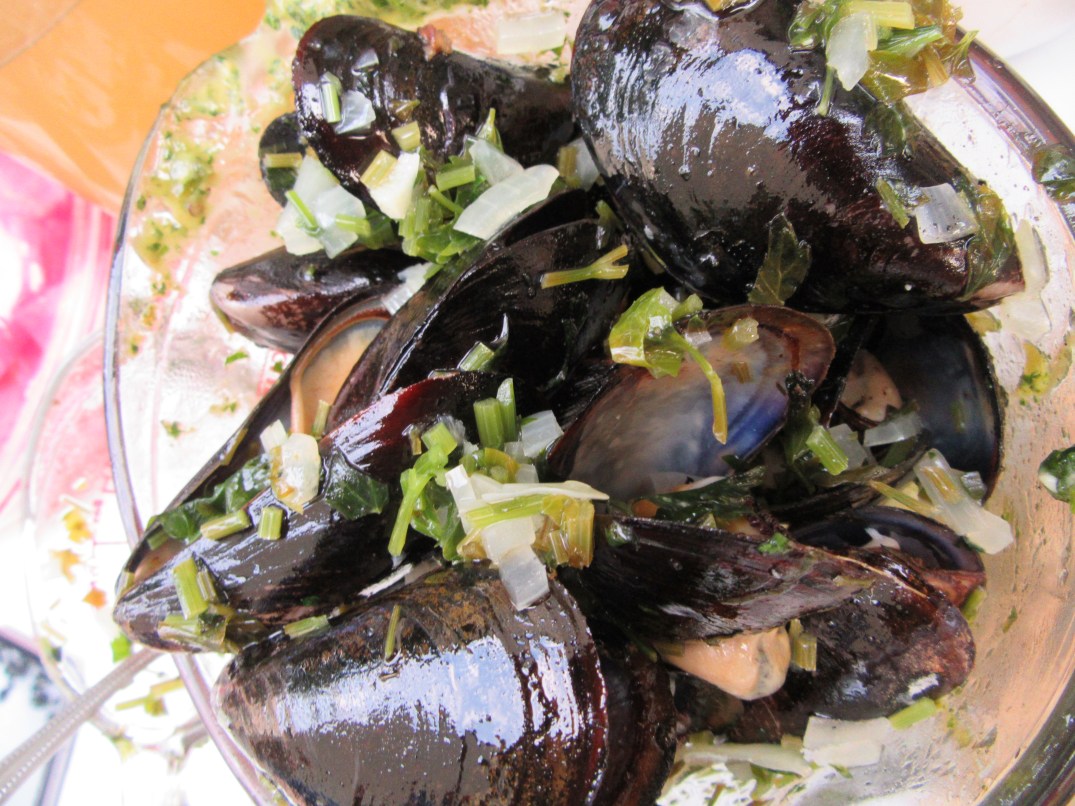
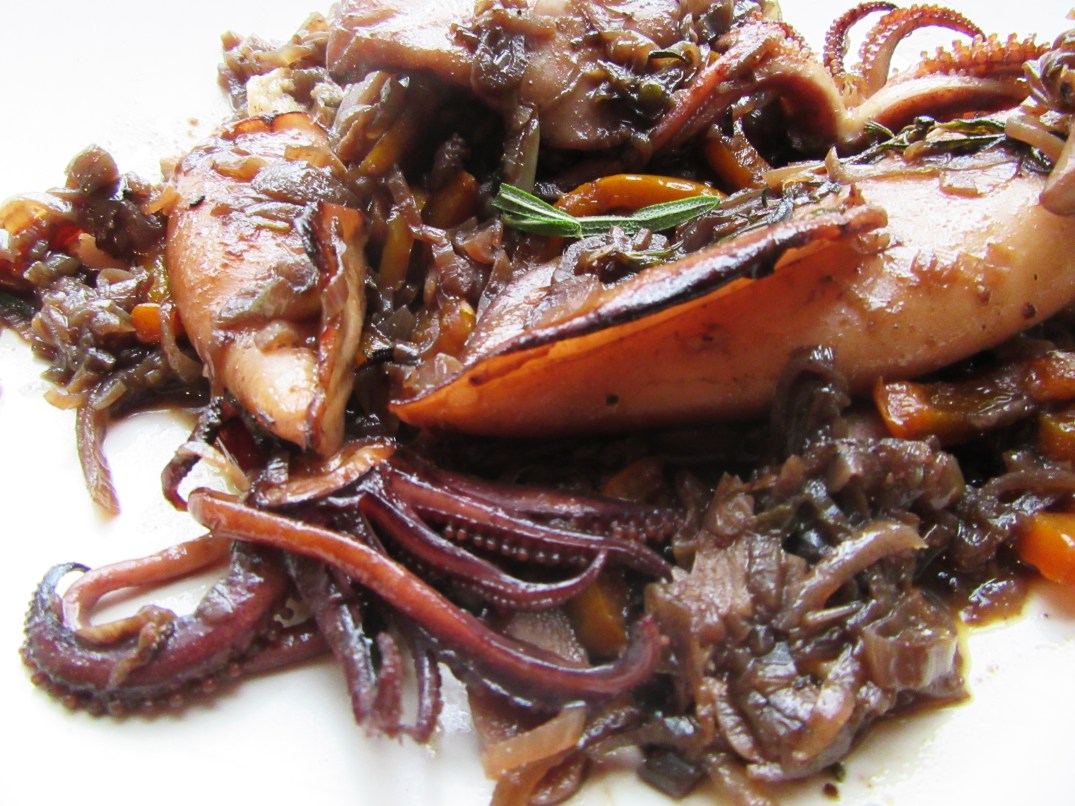
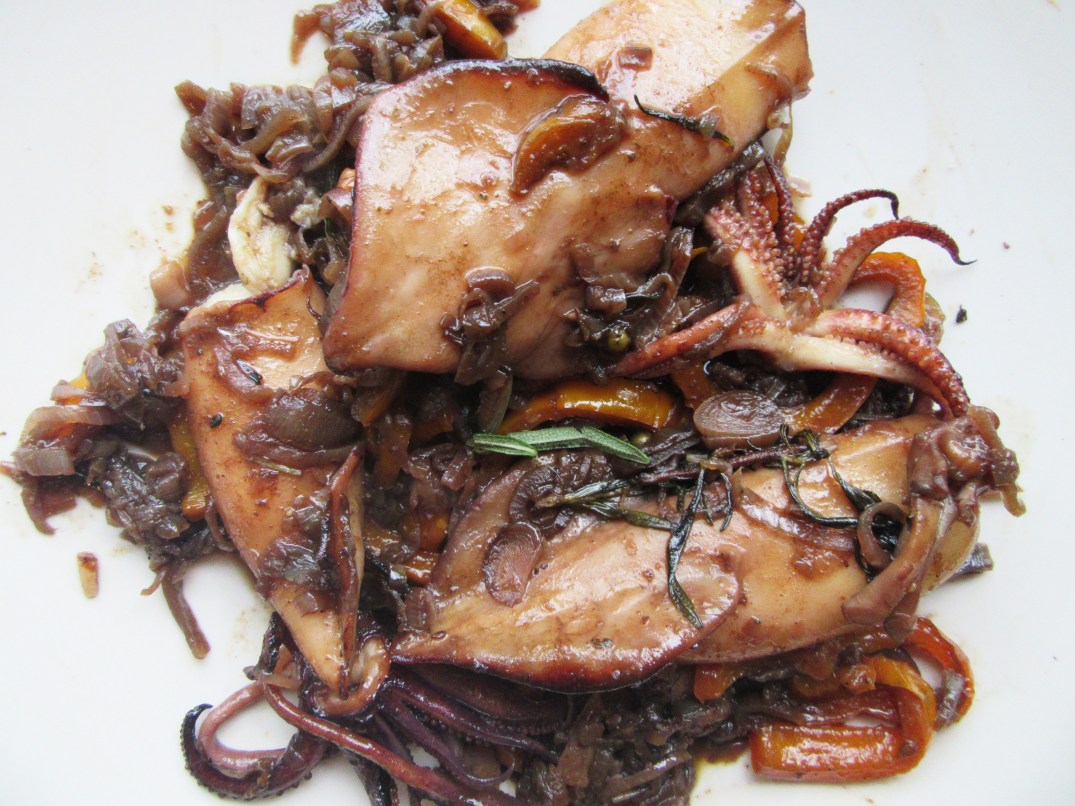
local Boston squid: braised with pickled green peppercorn, shallot, sonoma red wine
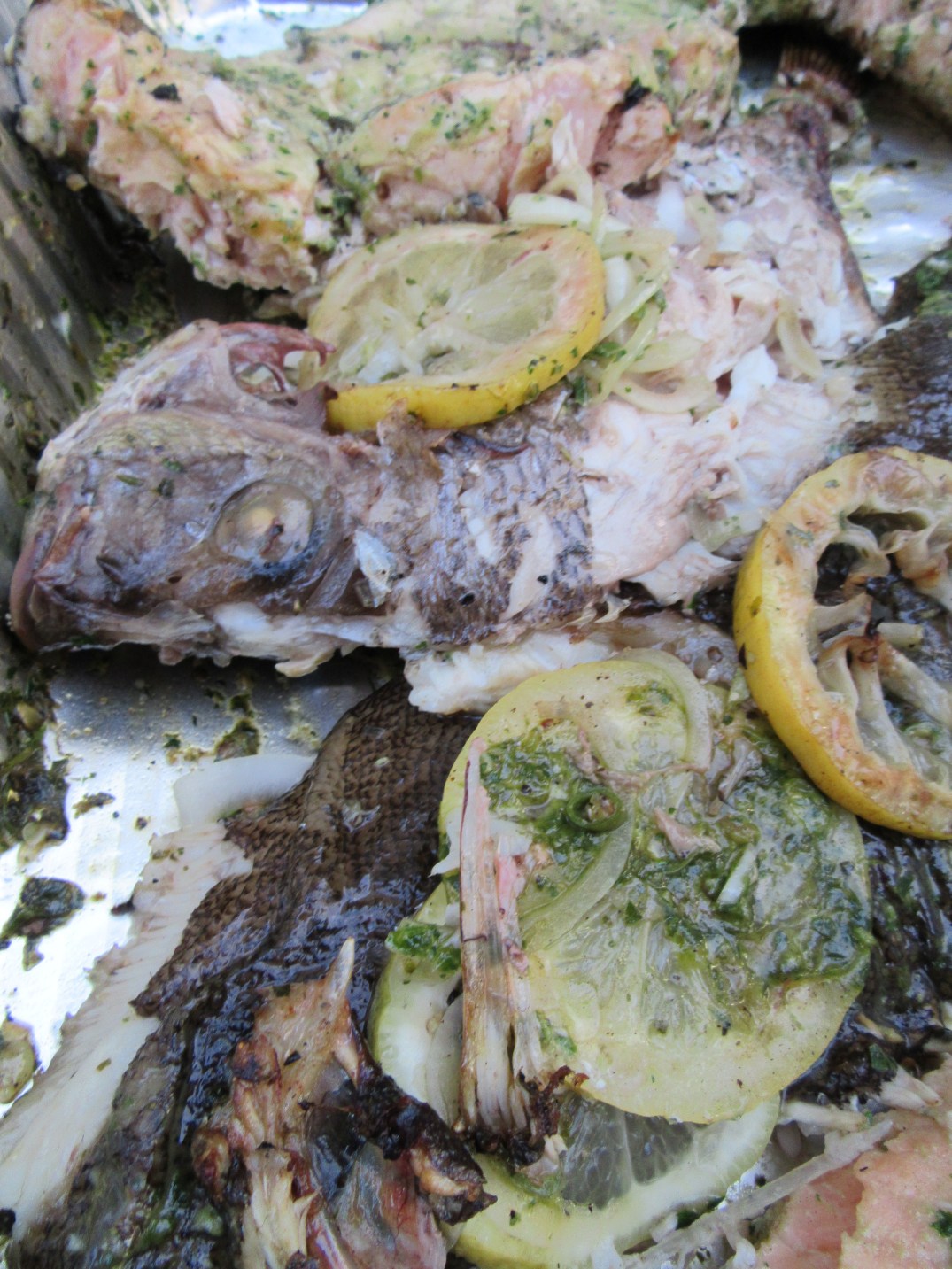
Boston scup: salt-baked with cherries, tomato, garlic, fennel, parsley


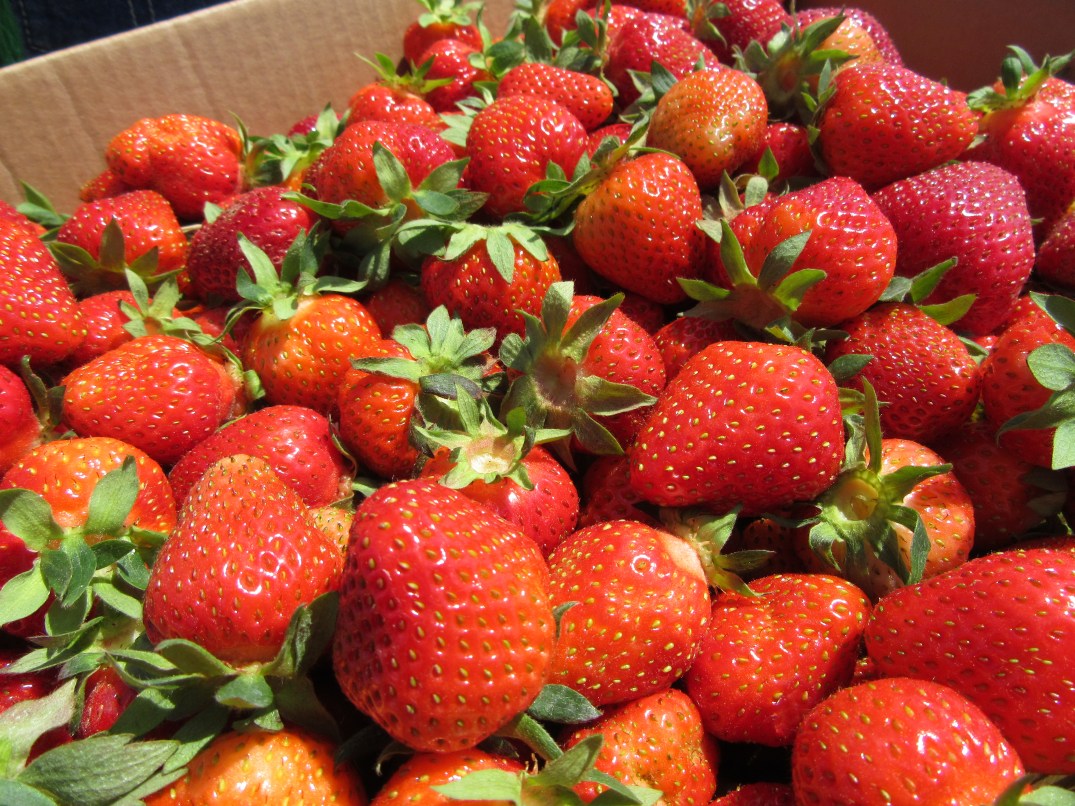
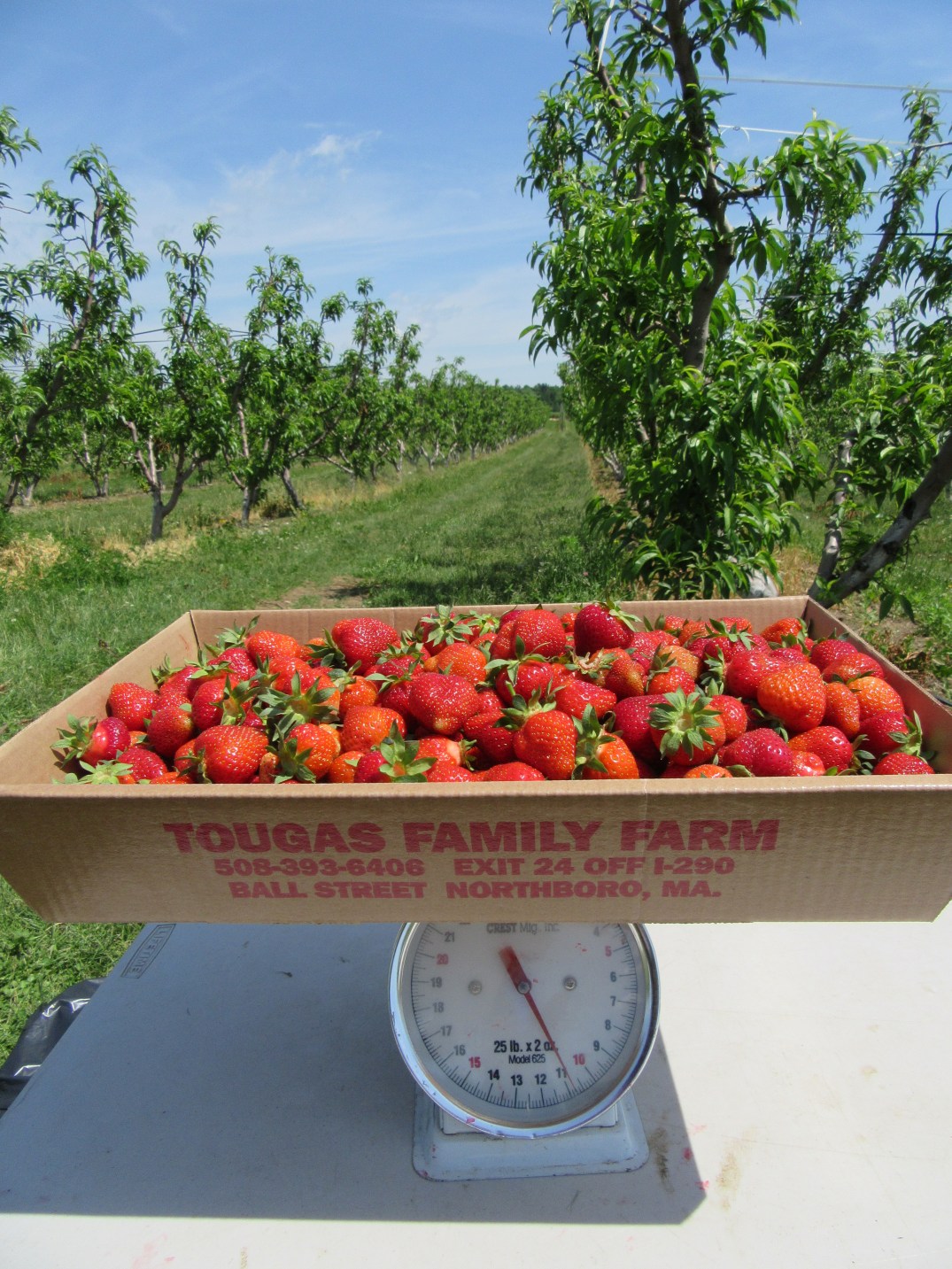
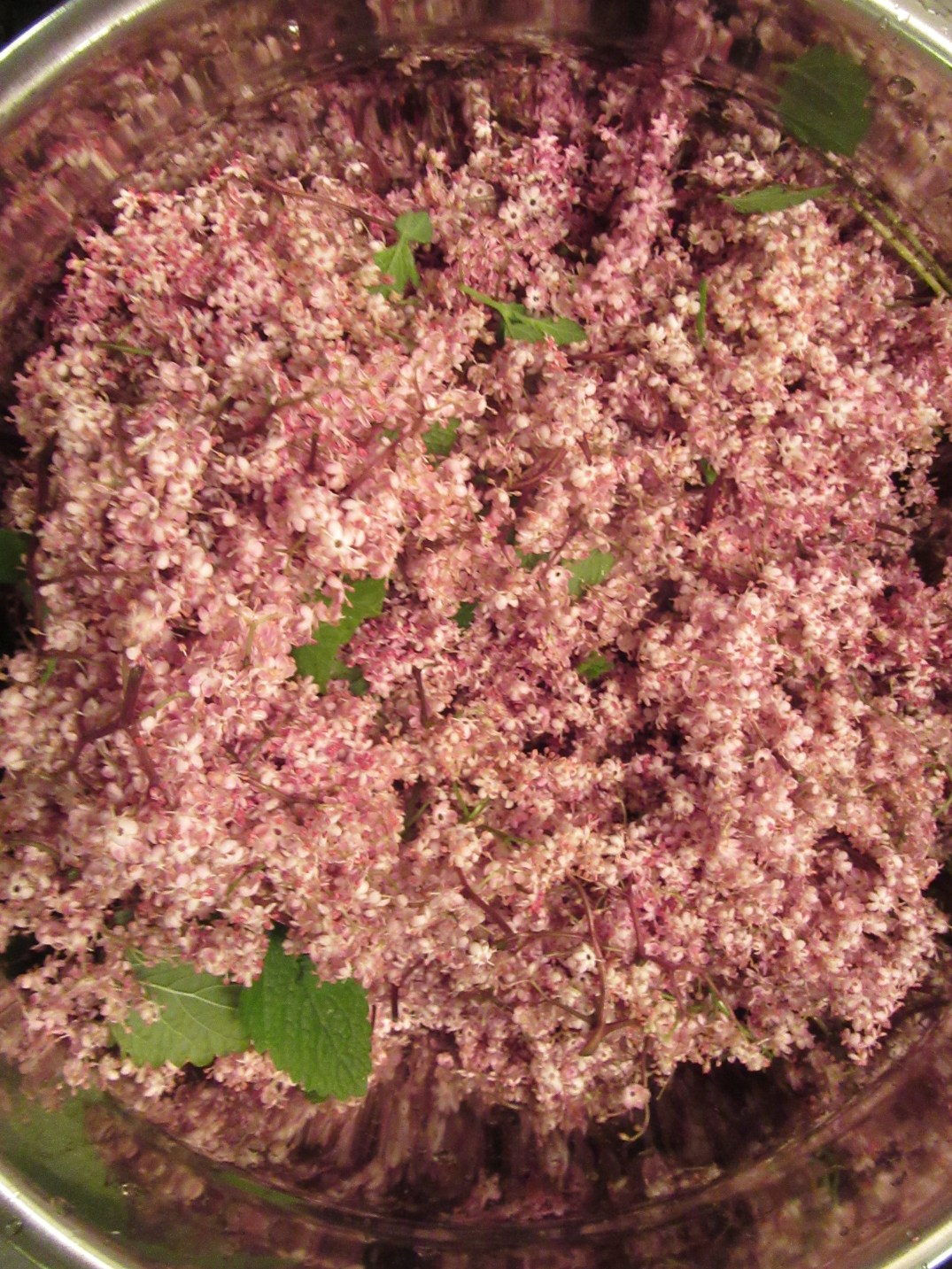
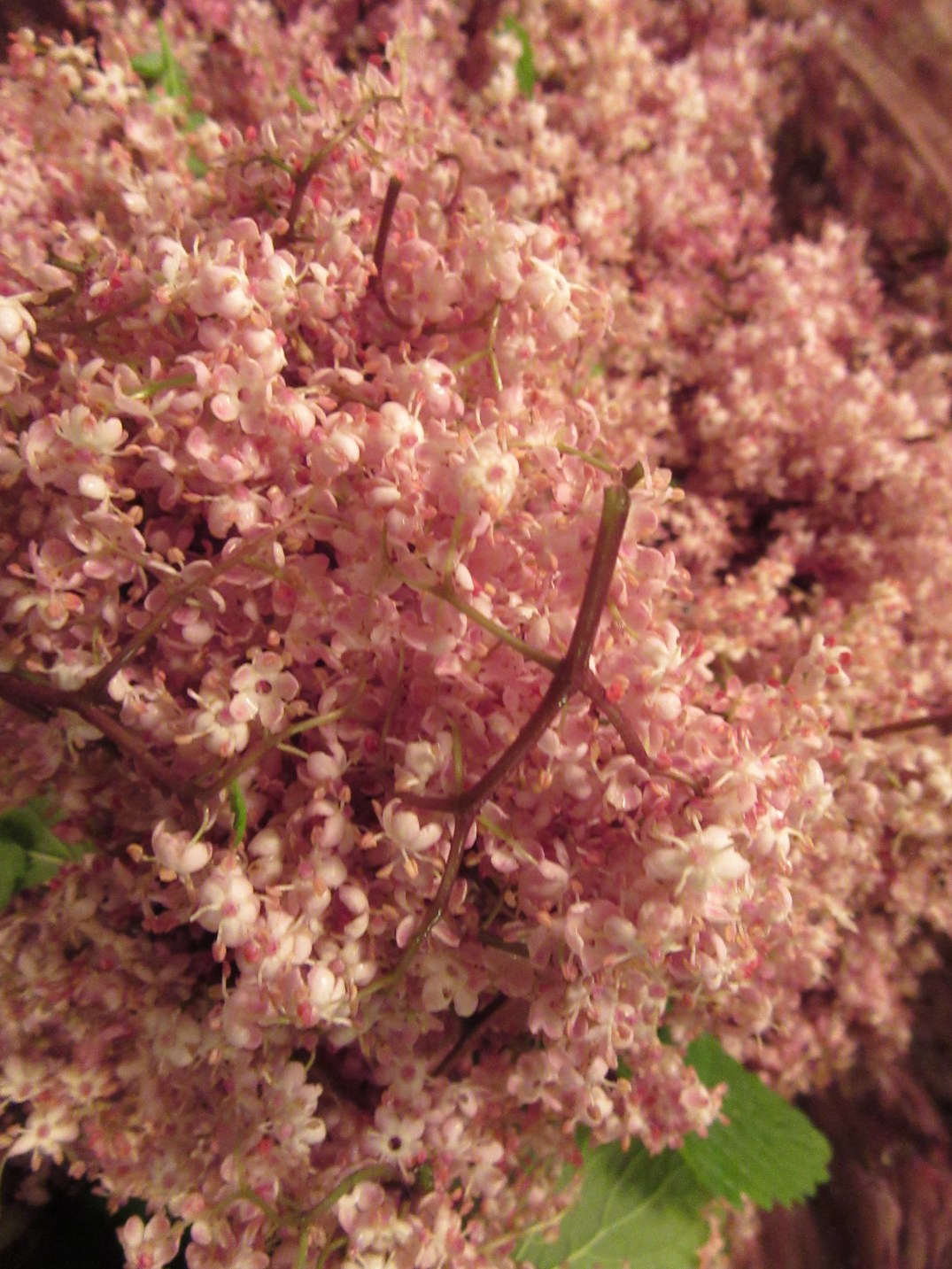
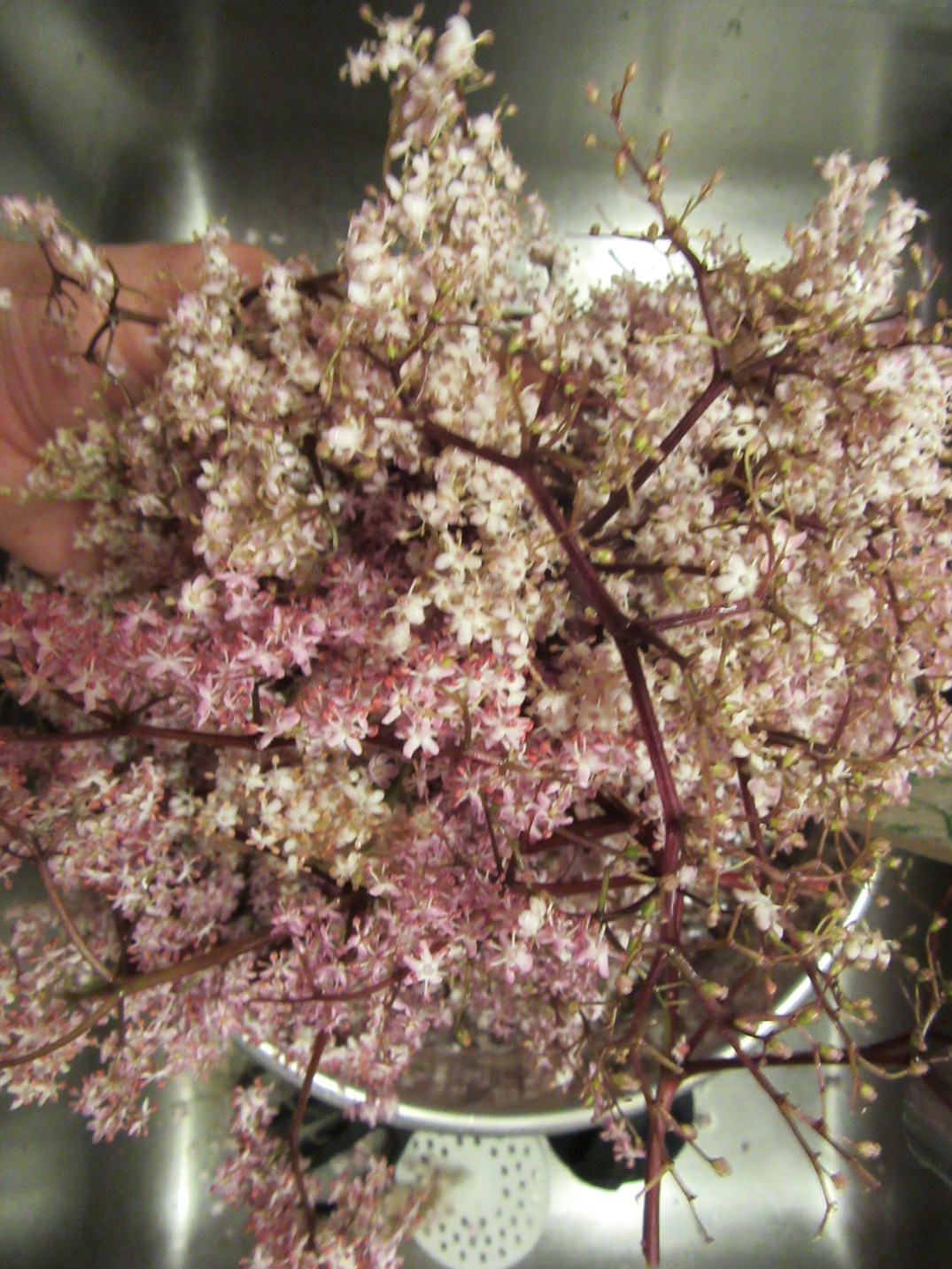
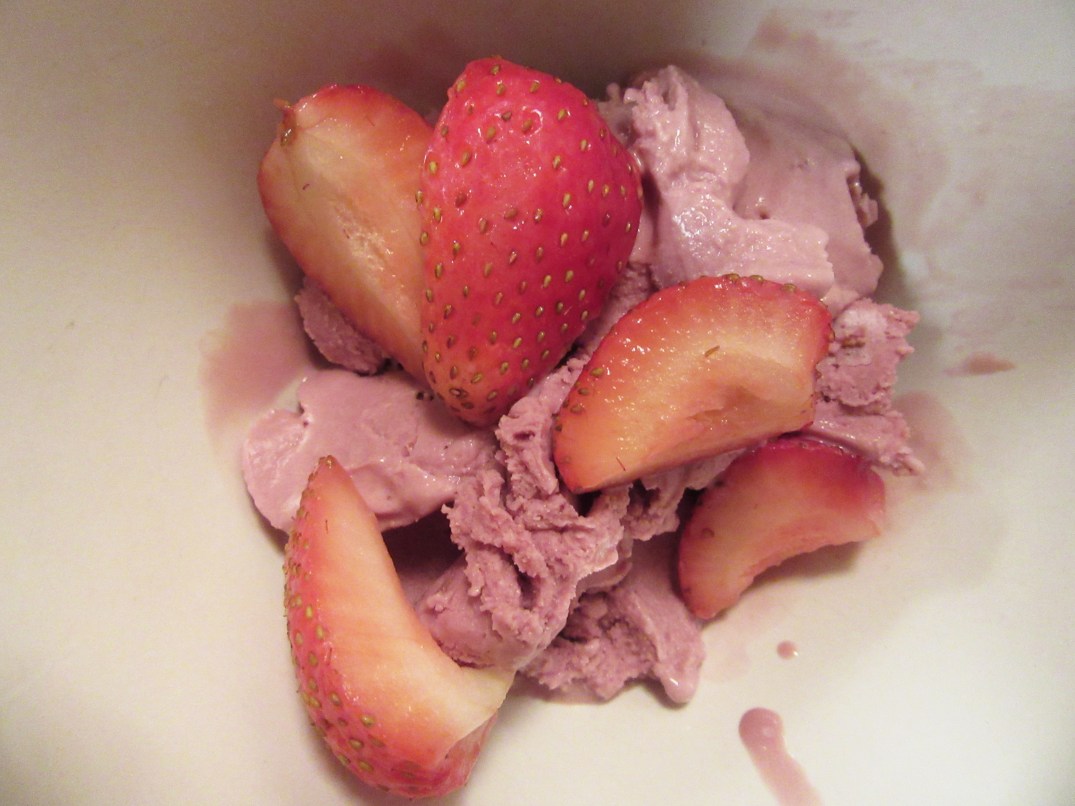
housemade gelato: rosewater and hibiscus, with fresh strawberries


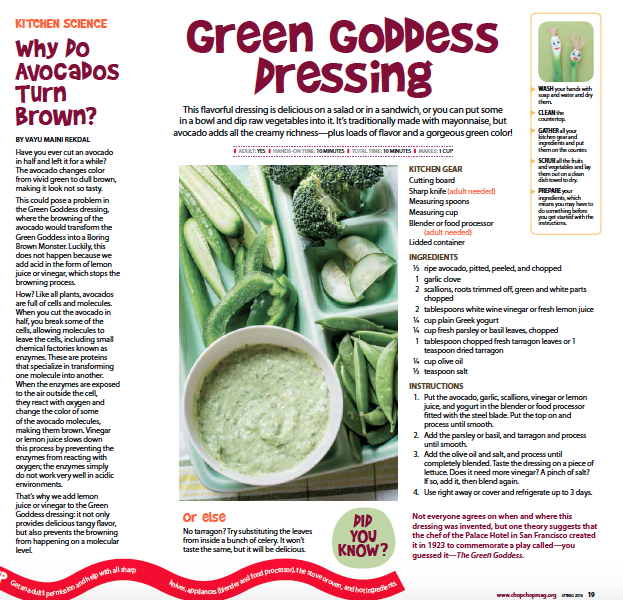
Celebrating end of first year classes reading my new article and recipe in ChopChop Magazine, the cooking magazine for families. This article describes a green goddess dressing and discussed the science of why avocados turn brown. It is distributed to chop chop’s three million subscribers across the U.S. Cheers to cooking and science!
All our lessons are available at http://youngchefsprogram.org
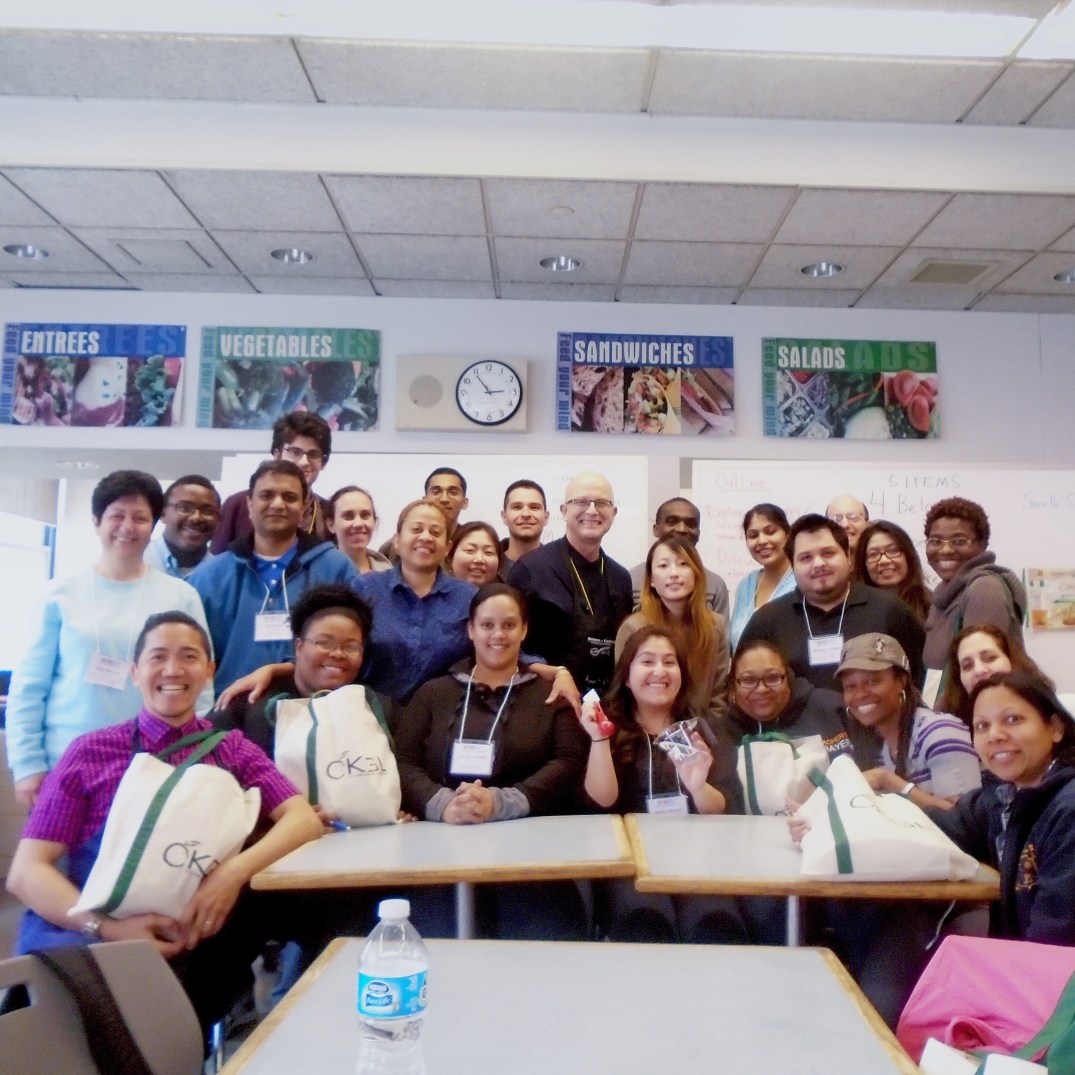
Former executive White House pastry chef Bill Yosses and I were just invited to train teachers at the NYC STEM institute in our http://youngchefsprogram.org cooking-science model, developed by students at Carleton College.
About the institute
The New York City Department of Education (NYCDOE) is committed to working with school leaders and teachers to build their capacity in, and develop a shared understanding of, high quality STEM education. The STEM Institutes serve to provide professional learning opportunities to schools in their efforts to identify and develop a STEM focused approach to learning that supports student achievement. With generous support from the General Electric Foundation and Computer Science for All partners, the NYCDOE is excited to offer the third STEM Institute, for teacher teams of 2 to 3 educators.
About our sessions
Science and cooking are beautifully interconnected. Cooking not only hides a tremendous wealth of scientific concepts, but also embodies the scientific method as practiced by scientists; it is a highly experimental process, guided by trial and error. Therefore, cooking is a perfect model system for exploring the wonders of Biology, Physics, and Chemistry in great detail, from molecules and cells, to organisms and planets.
Here we will present specific strategies for teaching STEM concepts through culinary experiments aligned with the Next-Generation Science Standards. Throughout these sessions, participants will build and understanding of the educational philosophy that informs our work, and more importantly, will learn how to integrate cooking into STEM classrooms from educational and logistical standpoints. Special emphasis is placed on the interconnectedness of molecules, organisms, and earth systems to illustrate how cooking experiments can be taught individually or can form entire units. Finally we will introduce the MIT food computer, a programmable low-cost portable system for growing vegetables in the classroom and learning about the science related to organismal growth. Taken together, these sessions will illustrate central STEM concepts through the medium of food, from the seed to the plate, and back.
Goals of sessions
What we did
DAY 1: Edible Science: What, How, and When?
Afternoon session
This session will introduce participants to the connection between science and cooking as it relates to STEM education. We will share our experiences and demonstrate a range of examples of fun experiments and scientific concepts that can be explored in the kitchen. Through interactive discussions and demonstrations, participants will get to know each other as well as the general area to be explored over the next three days. We will demonstrate fun examples such as the exploding milkshake, spherification, the instant cake, and more.
DAY 2: Photosynthesis, Respiration, and Global Carbon Cycles
Morning session: RESPIRATION
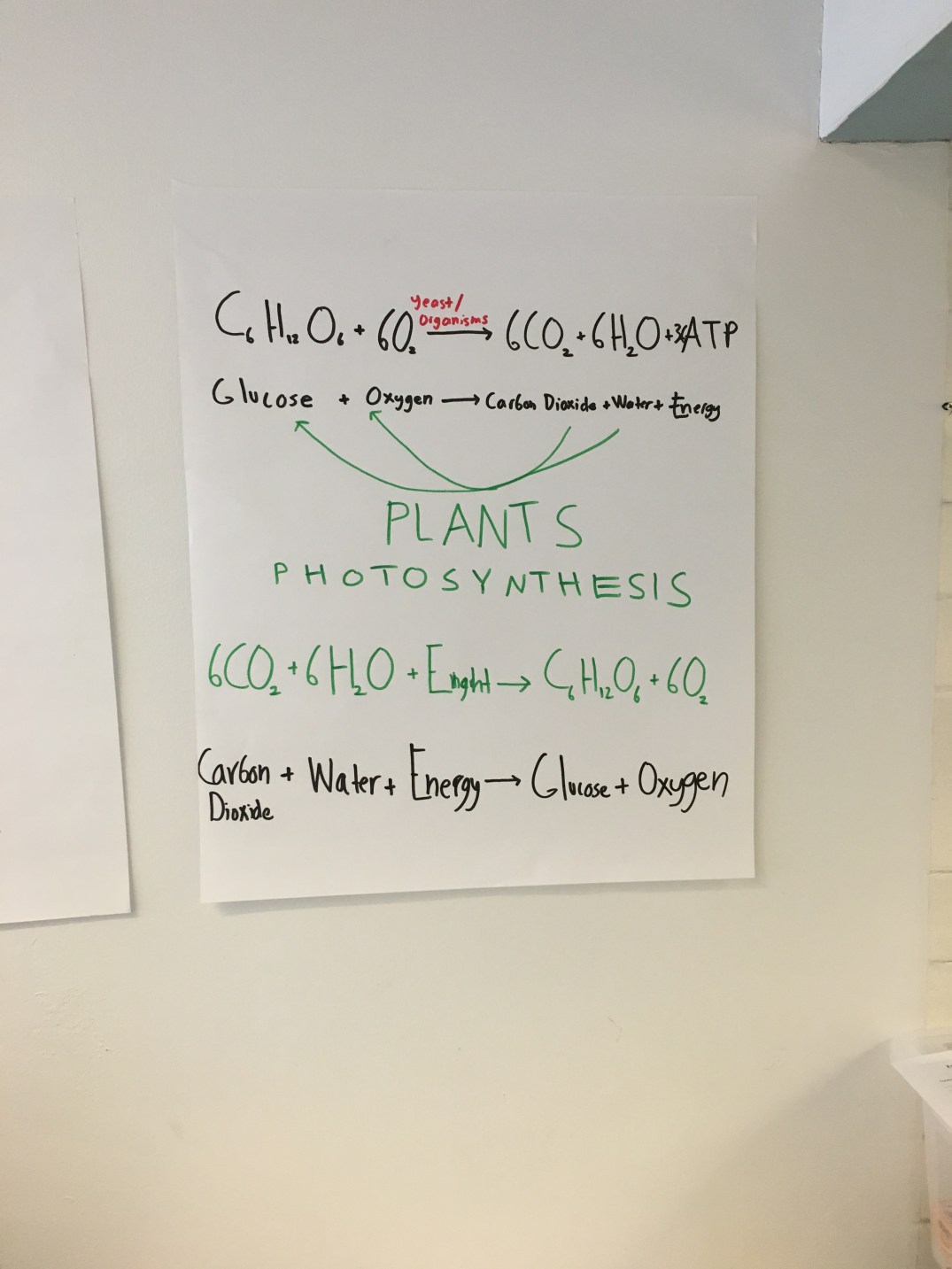
This session focuses on the process of respiration and explores the fundamental equation of aerobic life: the transformation of glucose and oxygen into carbon dioxide and water. Participants will learn how to address common student misconceptions and NGS standards by making Taiwanese steamed buns and observing respiration in a range of contexts.
Afternoon session: PHOTOSYNTHESIS
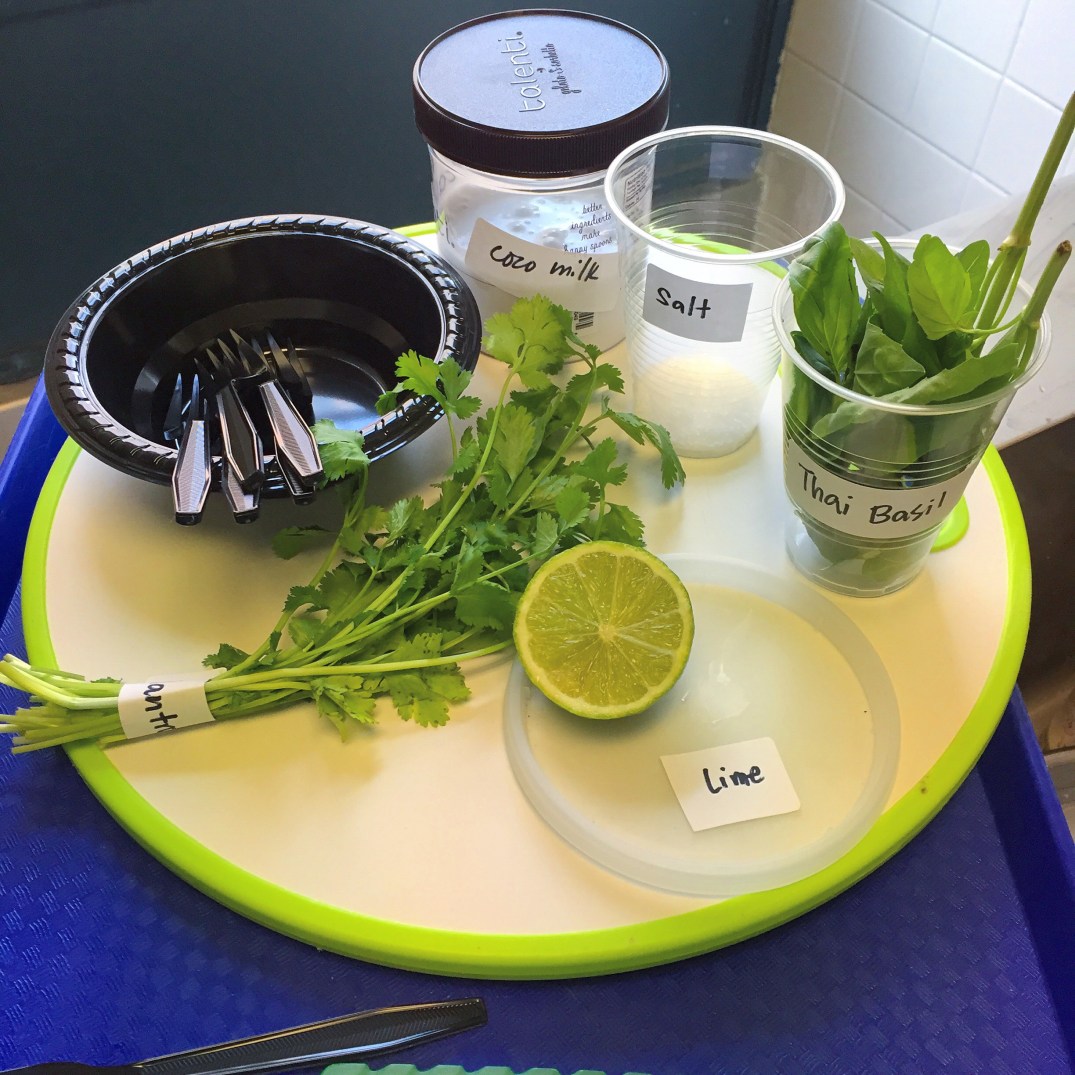
Here we explore another essential component of life as we know it: photosynthesis. The lesson focuses on the electro-magnetic spectrum and its relevance for plant growth. Specifically, we will explore the wave-particle duality of light, the relationship between energy and wave properties, and how this relates to the process of photosynthesis. We will demonstrate how different wavelengths of light are exploited for different purposes in nature. Participants will learn about a programmable experiment on the MIT Food Computer, which provides a controlled environment for growing plants under different light conditions. In addition, participants make a salad and indulge in the deliciousness that photosynthesis provides.
DAY 3: Interactions between organisms
Morning session: HUMMUS
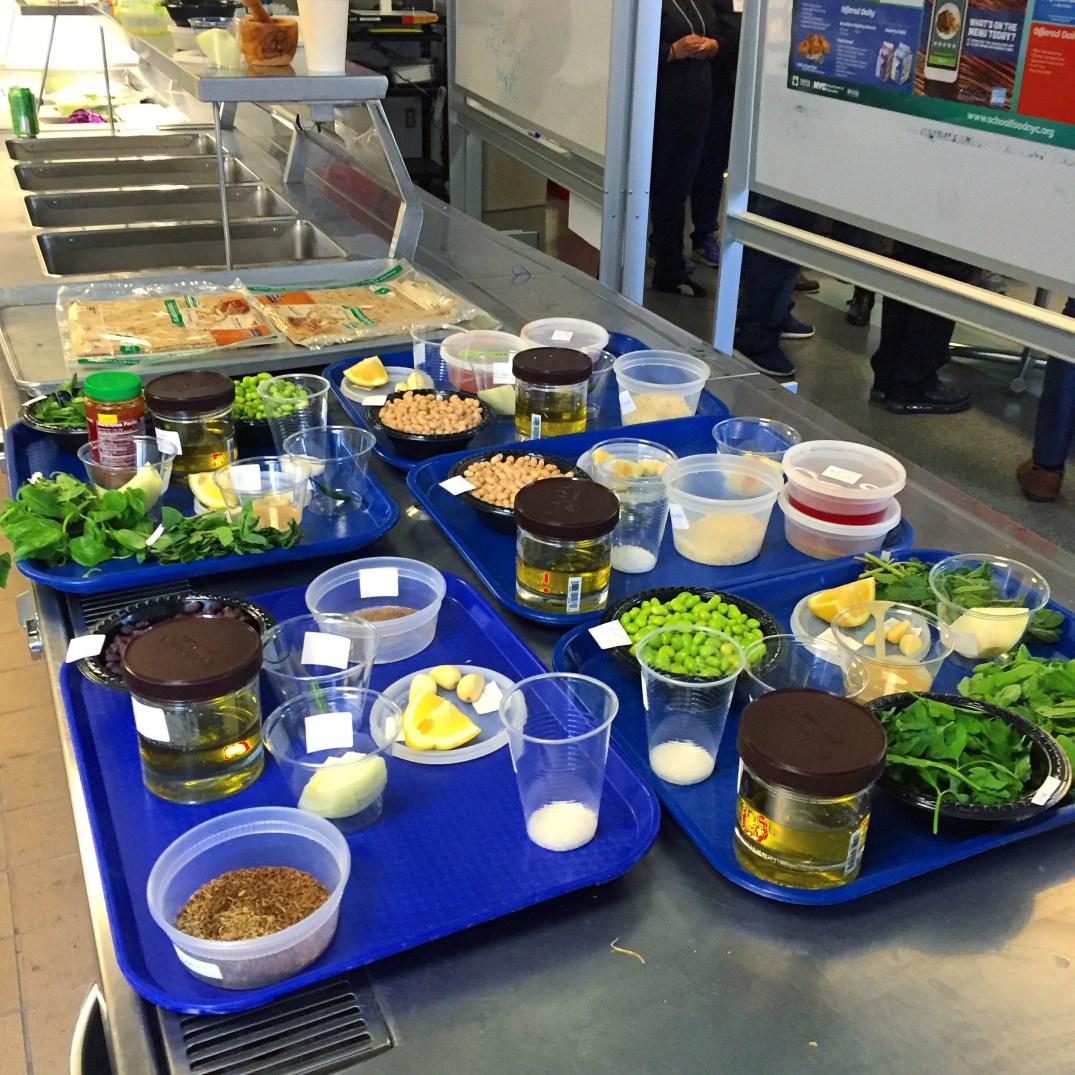
Many students know that the atmosphere has a large fraction of nitrogen, but may not be aware of its role in organismal growth, ecosystems, and global geochemical cycles. In this lesson, students learn about how some plants known as legumes obtain nitrogen from the air with the help of symbiotic bacteria. The lesson explores the biochemical basis of this plant-microbe interactions and highlights its implications for the health of the plant, humans, and the planet as a whole. By making delicious hummus with legumes from around the world, participants will understand how nitrogen makes it from the atmosphere to the soil and back, through animals like humans.
Afternoon session: OLFACTION AND NEUROSCIENCE
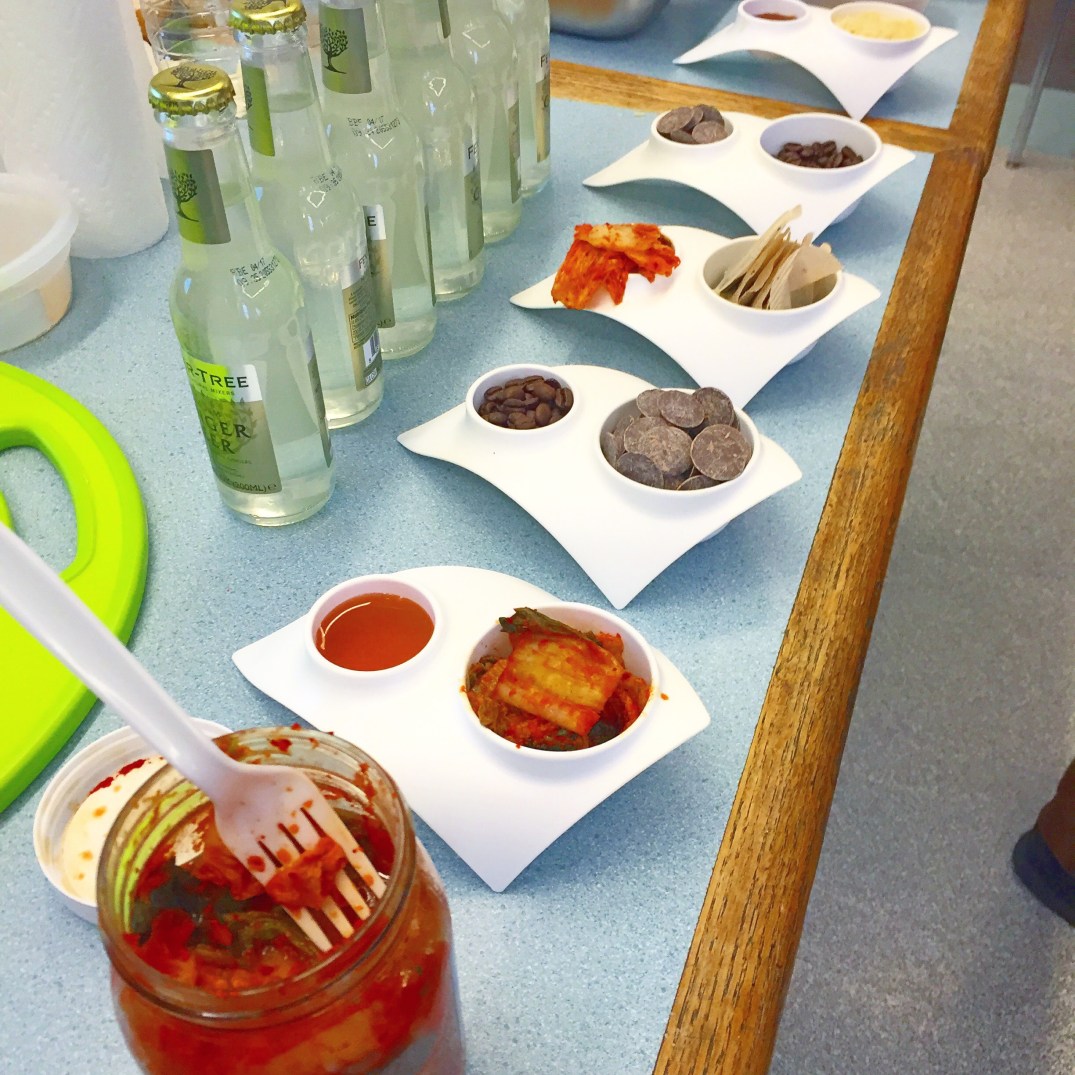
During the hummus lesson, participants will become familiar with different spices used to flavor their concoctions. In nature, spice molecules serve a different purpose than flavor; they are often responsible for mediating interactions between organisms, for example deterring predators for consuming plants, attracting pollinators, or killing pathogenic microbes. This lessons starts off with a discussion of spice molecules and their role in nature, and progresses into a discussion of human perception and sensation. How do we sense the olfactory world on a molecular level? How does our brain compute sensory information to create a holistic experience of flavor? Participants will engage in different olfactory experiments involving spices, and will learn how to create their own curries for use in a variety of contexts.
Afternoon session:LESSON PLAN DEVELOPMENT
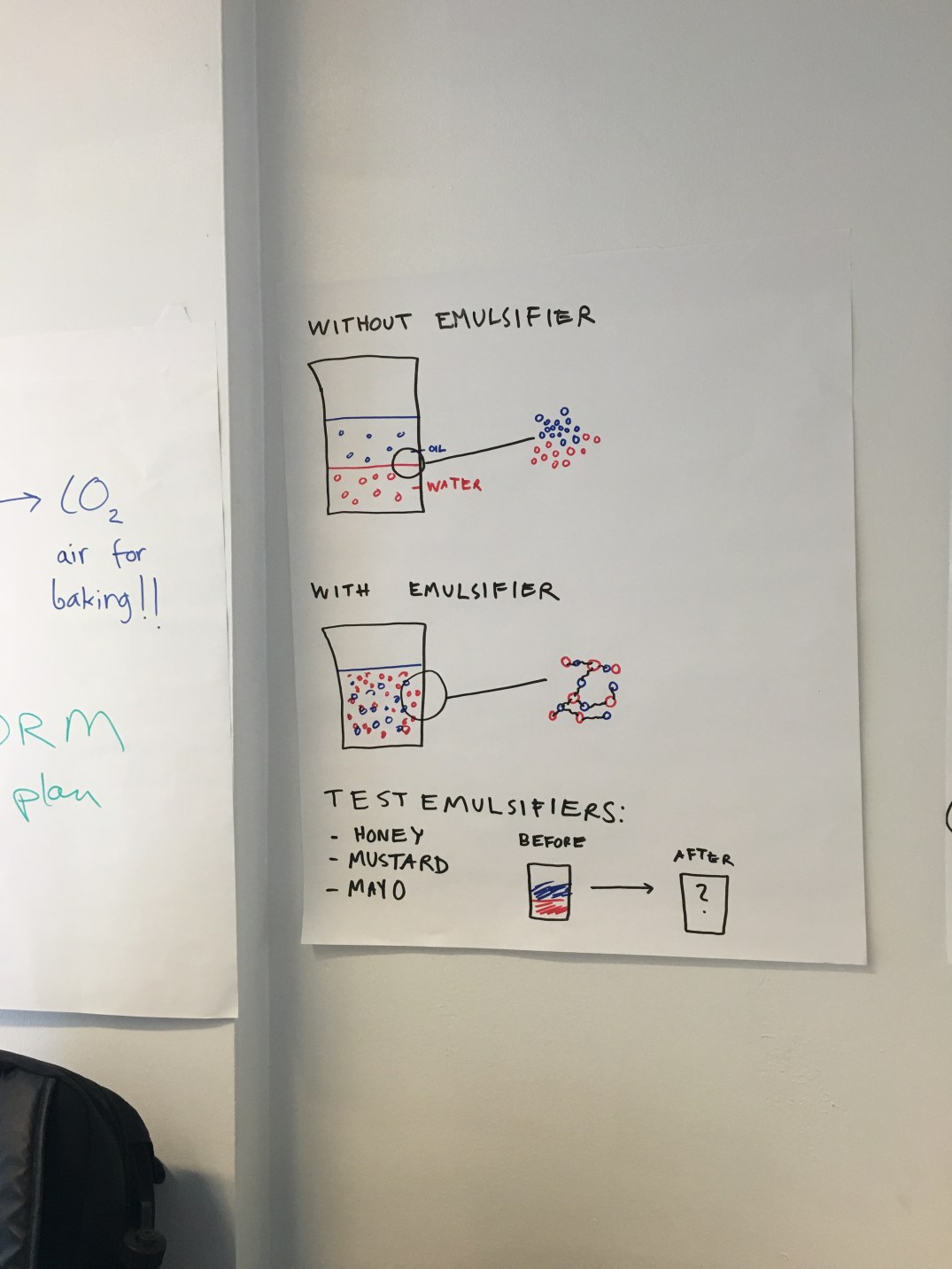
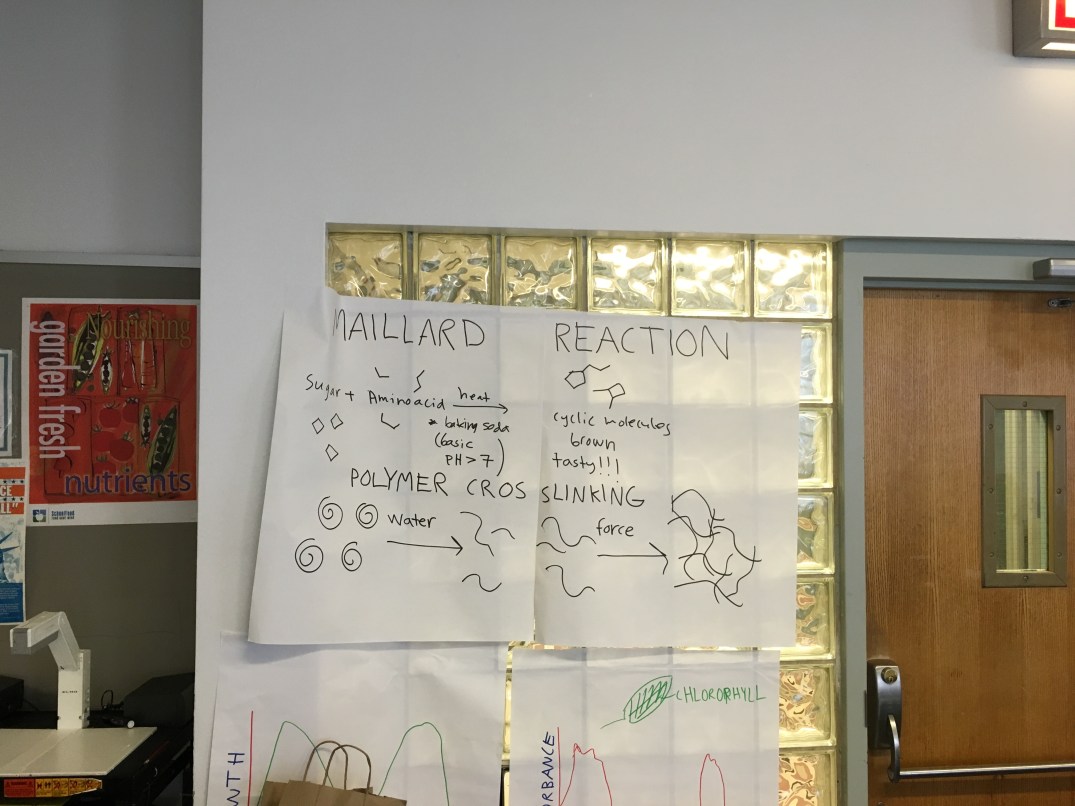
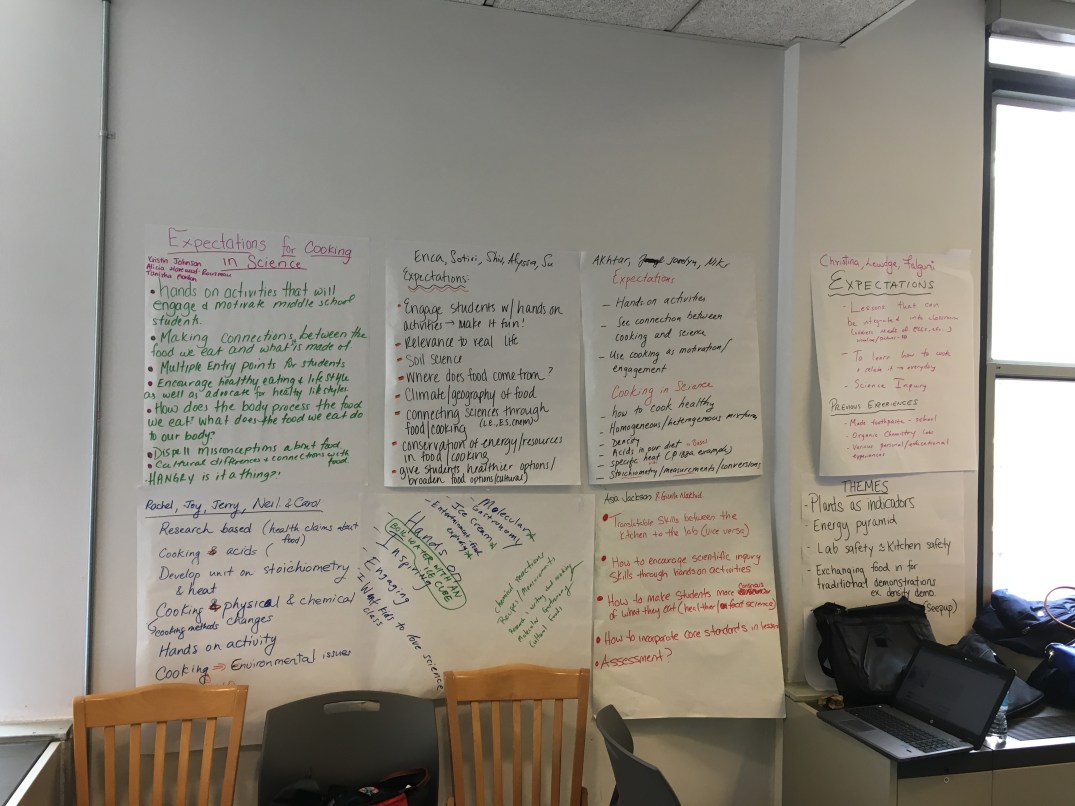
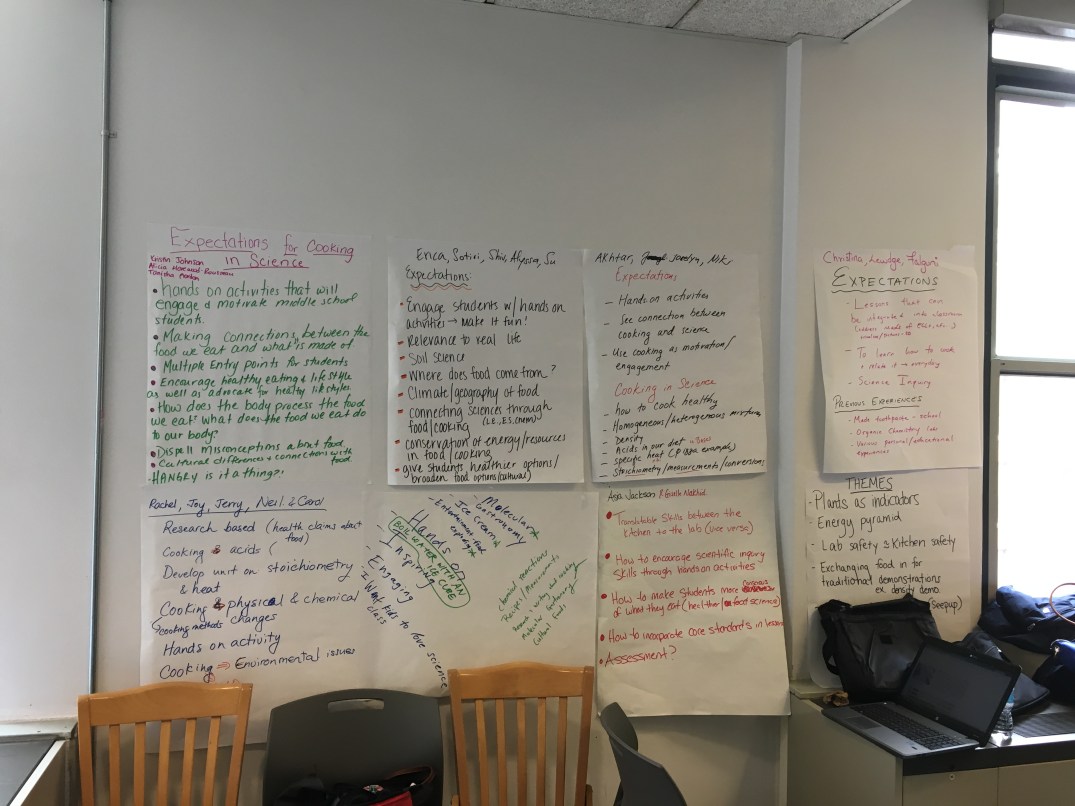
Teachers worked in teams to develop their own cooking-science lesson to implement in their classrooms. Lots of great ideas floating around, including building an oven, learning about solubility and molecular properties through four-week blocks on sensation, perception, and molecular solubility, and lots more!!! We will publish the teacher lessons soon.
PHOTOS BY THE TALENTED ROBERTO WELCH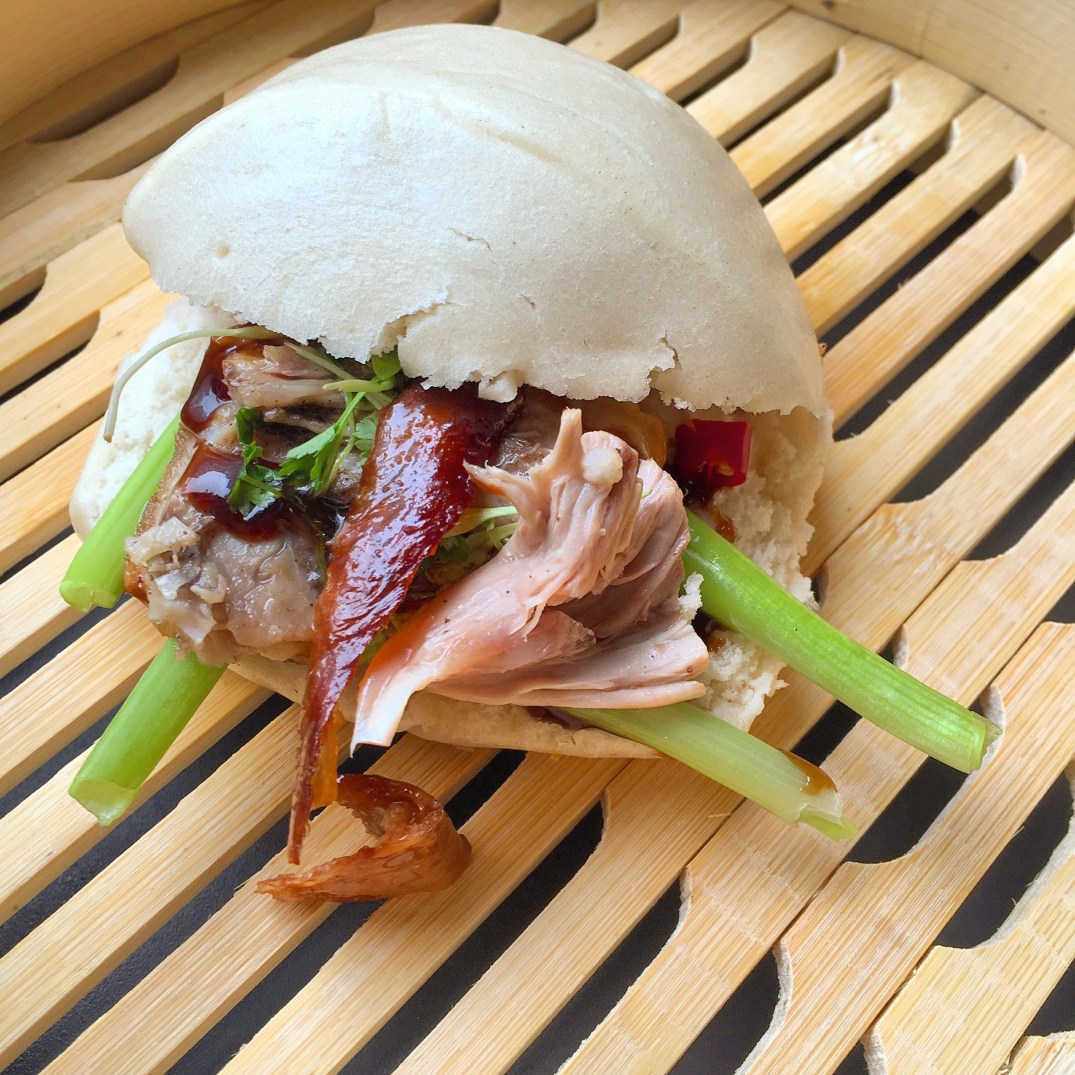
Excited to see that the book A Chef’s Guide to Gelling, Thickening, and Emulsifying Agents has finally been published! The book was produced by chef Ferran Adria’s culinary research foundation Fundacion Alicia , and I contributed original research and writing to this book, along with other members of the Foundation Alicia team when working as a gastronomy research intern at the institute in the summer of 2011.

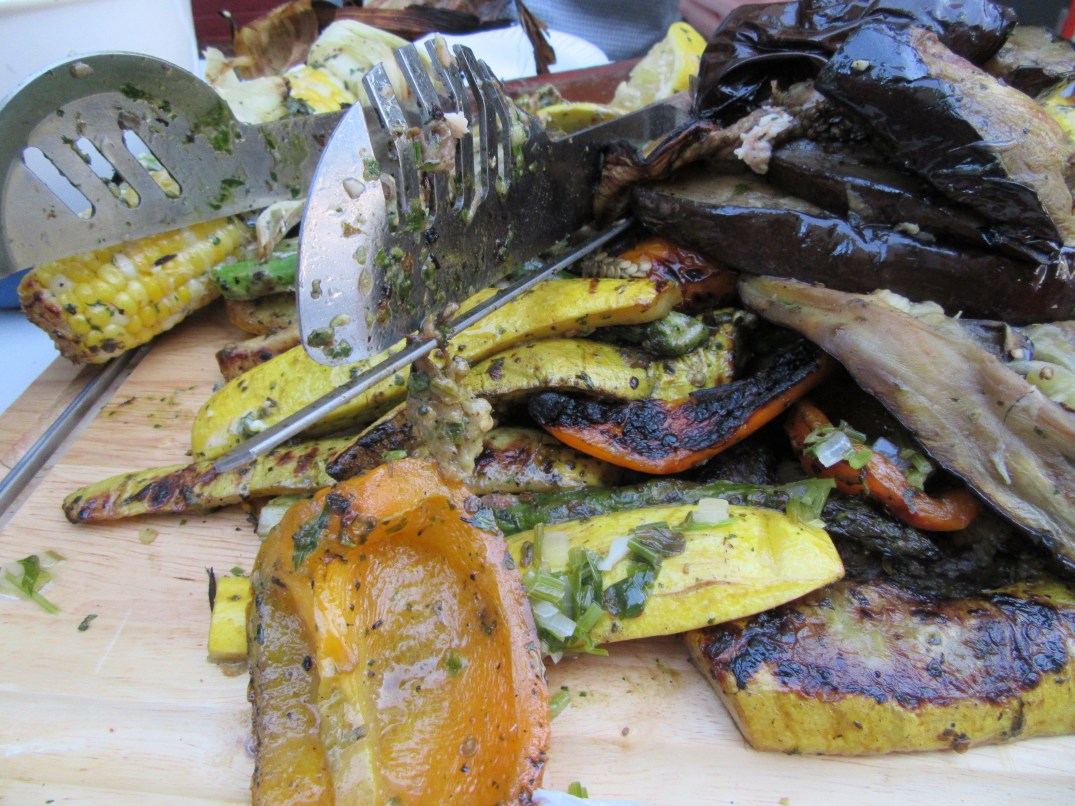
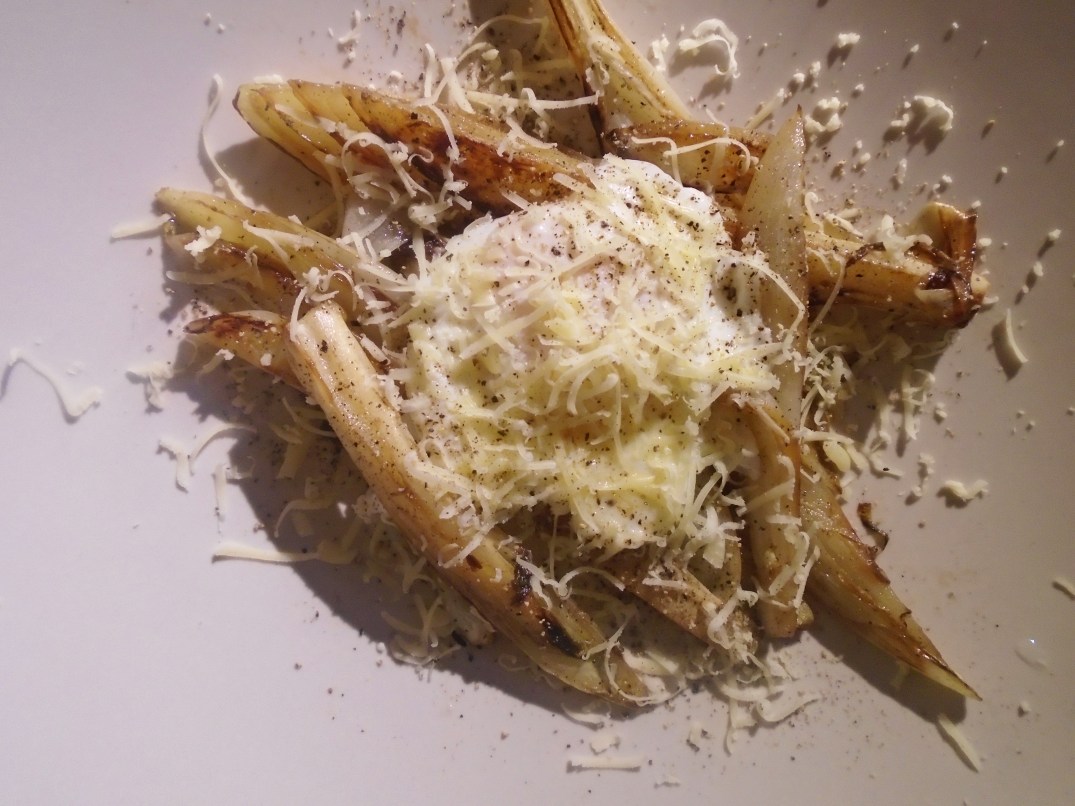
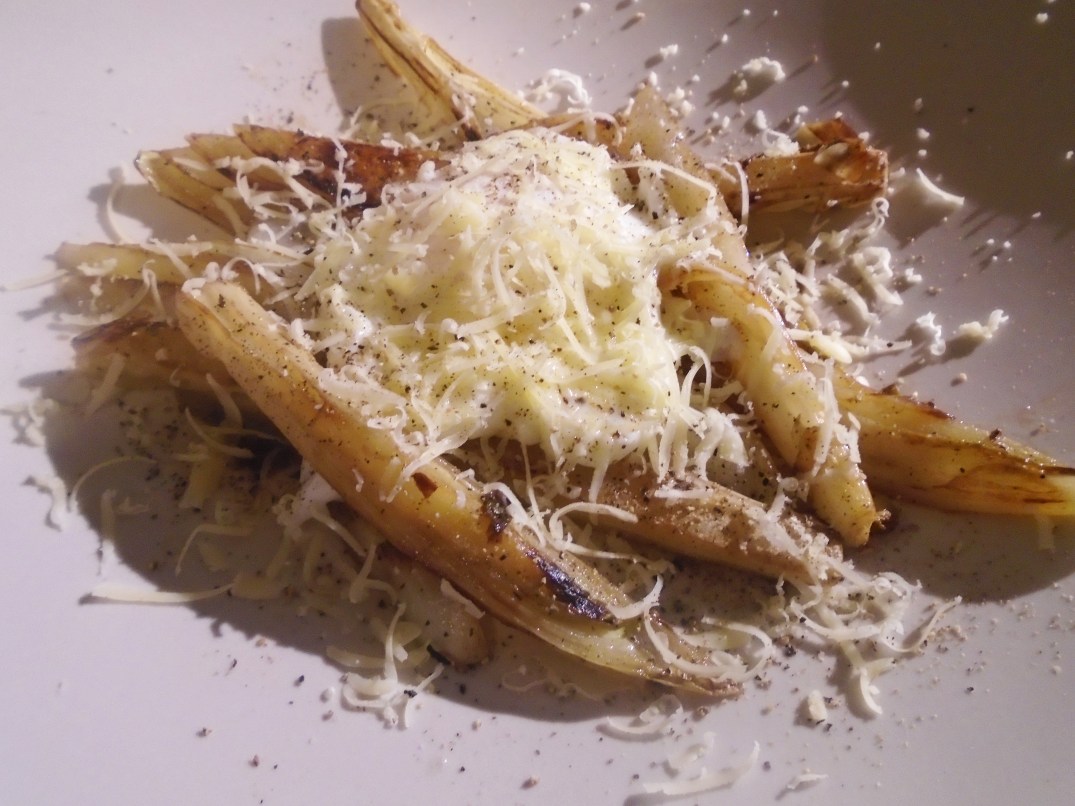
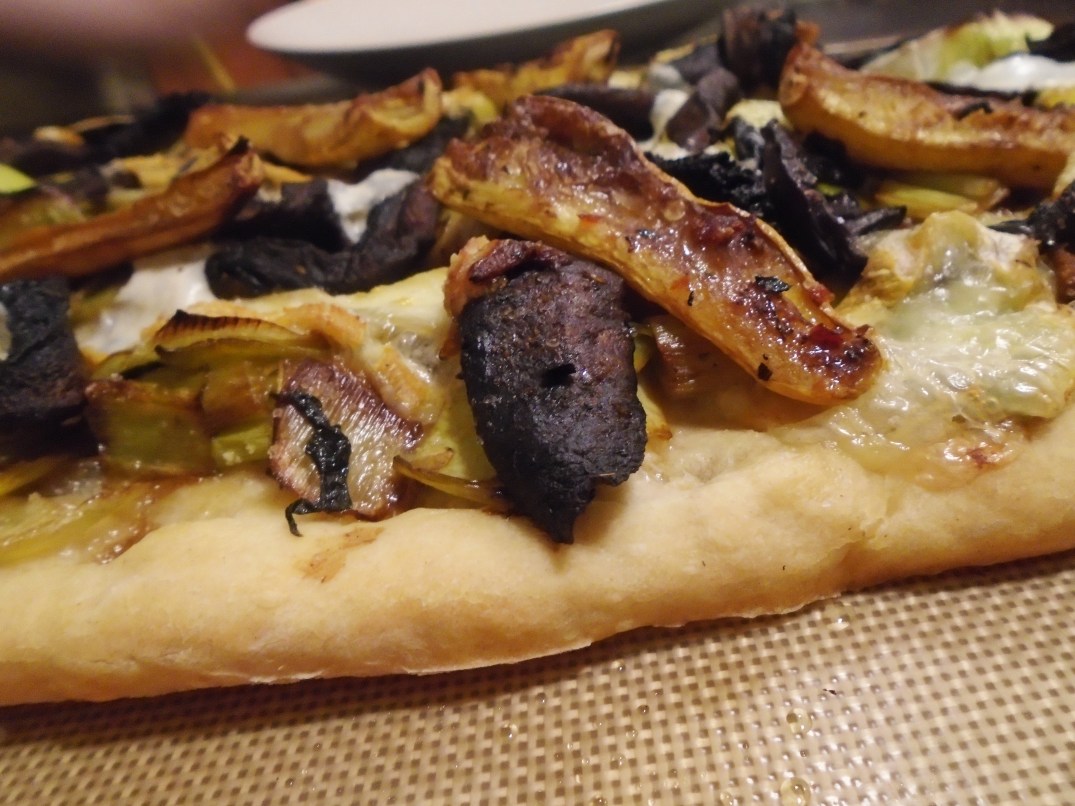
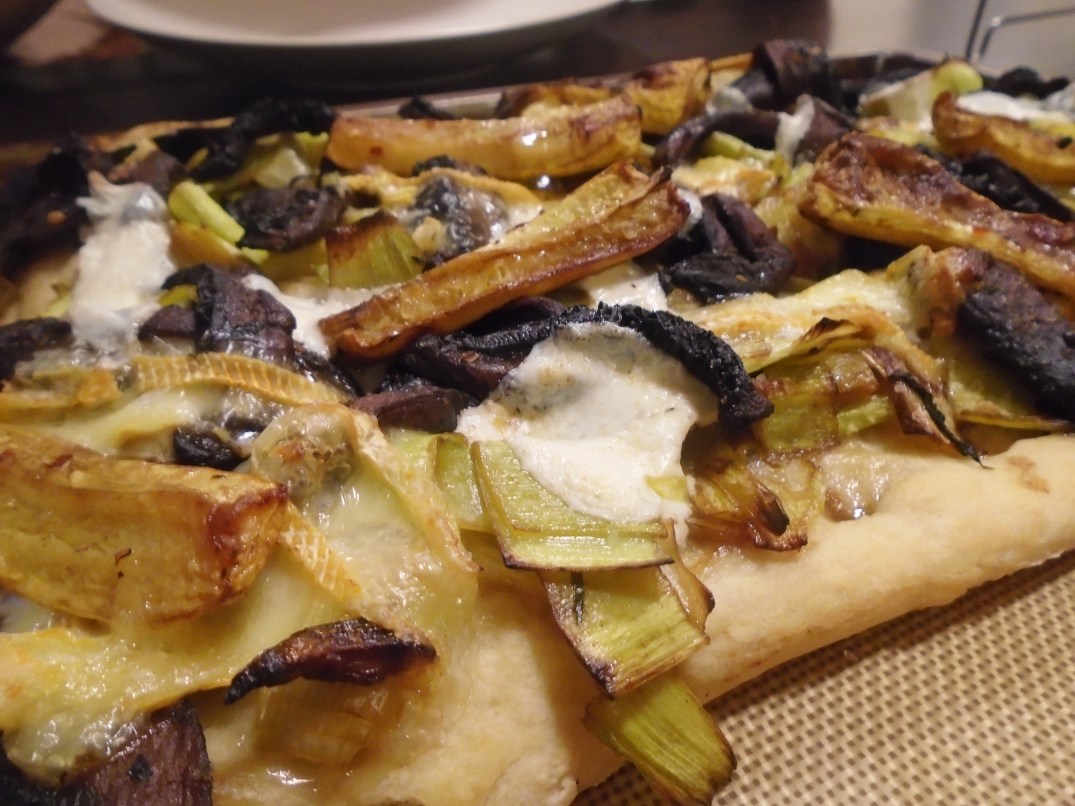
#1 lemon grilled summer squash, roasted leeks&mushrooms, camembert
 Vayu Hill-Maini