Awarded the HHMI Gilliam Fellowship

Excited to announce I have been selected as a HHMI Gilliam Fellow this year! This fellowship is given to exceptional doctoral students who have the potential to be leaders in their fields and the desire to advance diversity and inclusion in the sciences. In addition to three years of funding, I will be part of a community of diverse scientists who share my passions for research and outreach! Such an honor and grateful for all my mentors, friends and family supporting me along the way.

You can read more about the fellowship here: https://www.hhmi.org/news/hhmi-awards-39-gilliam-fellowships-support-diversity-science


scandinavian cooking

inspiration and exploration on my vacation back home in sweden and norway this summer

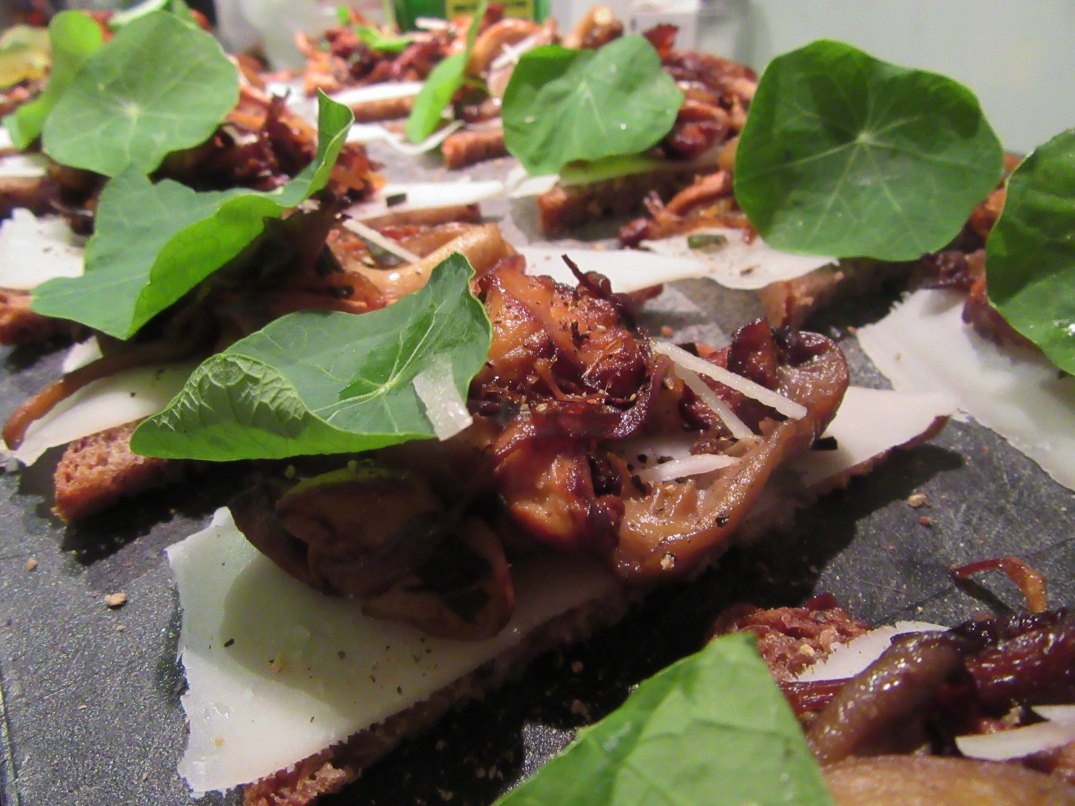
chantarelle, cress, horseradish

swecook1

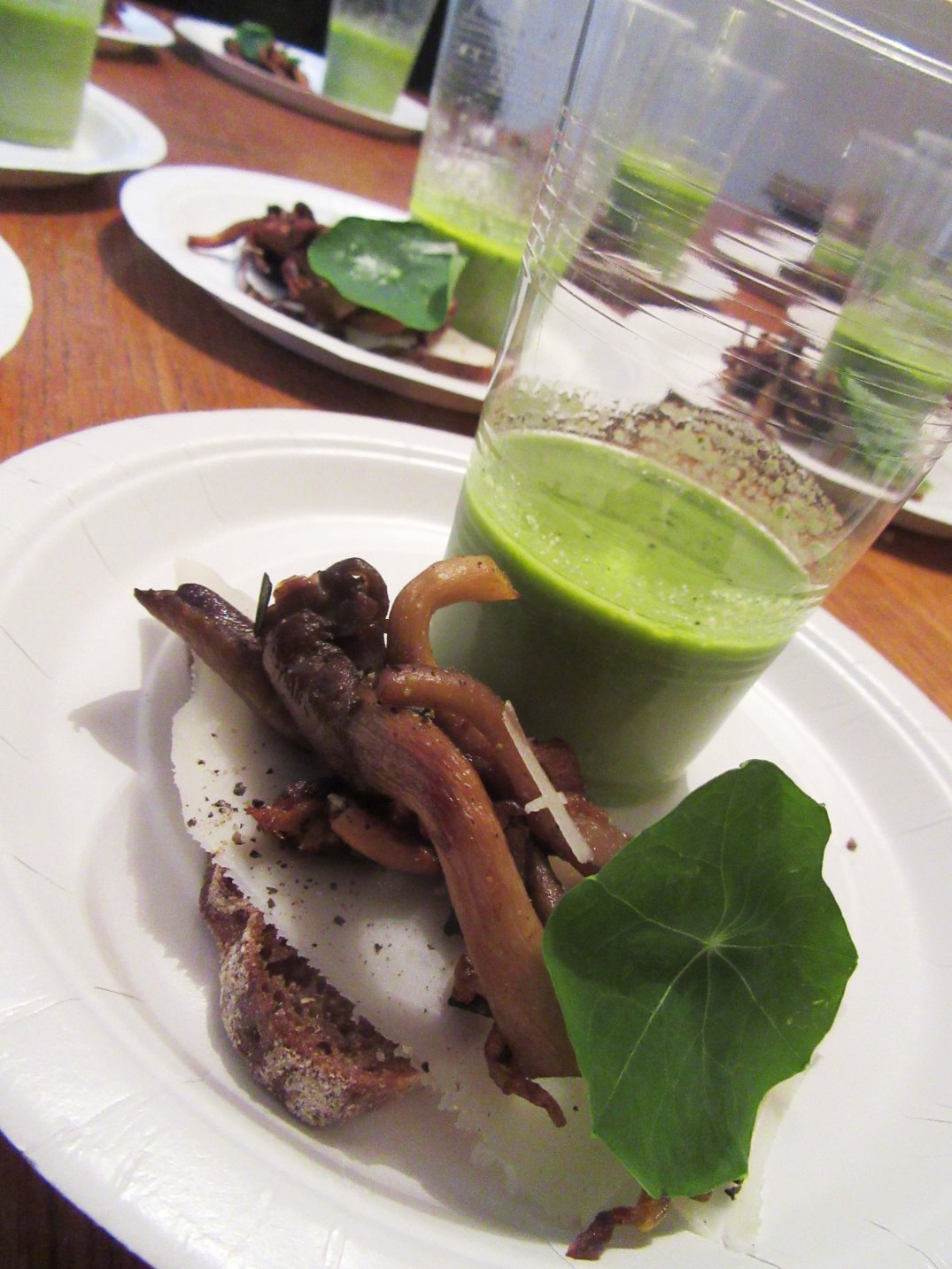
pea gazpachio w/ licorice, lemon, thai basil

swecook3

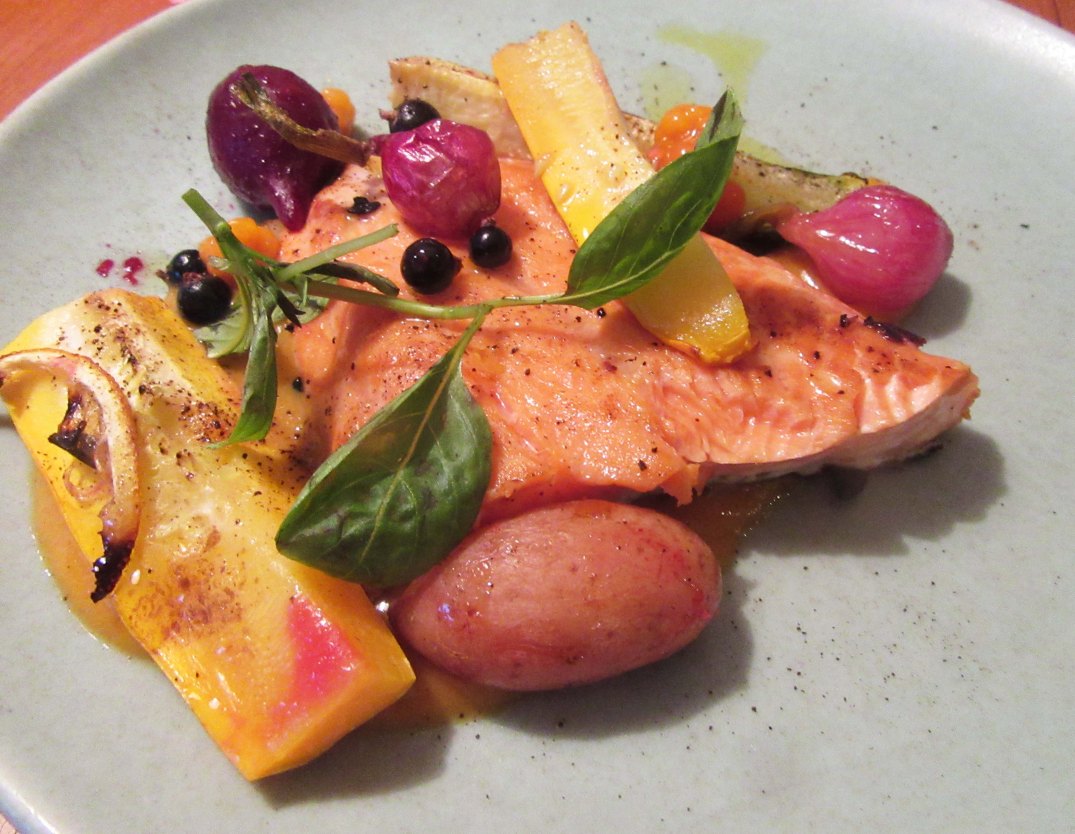
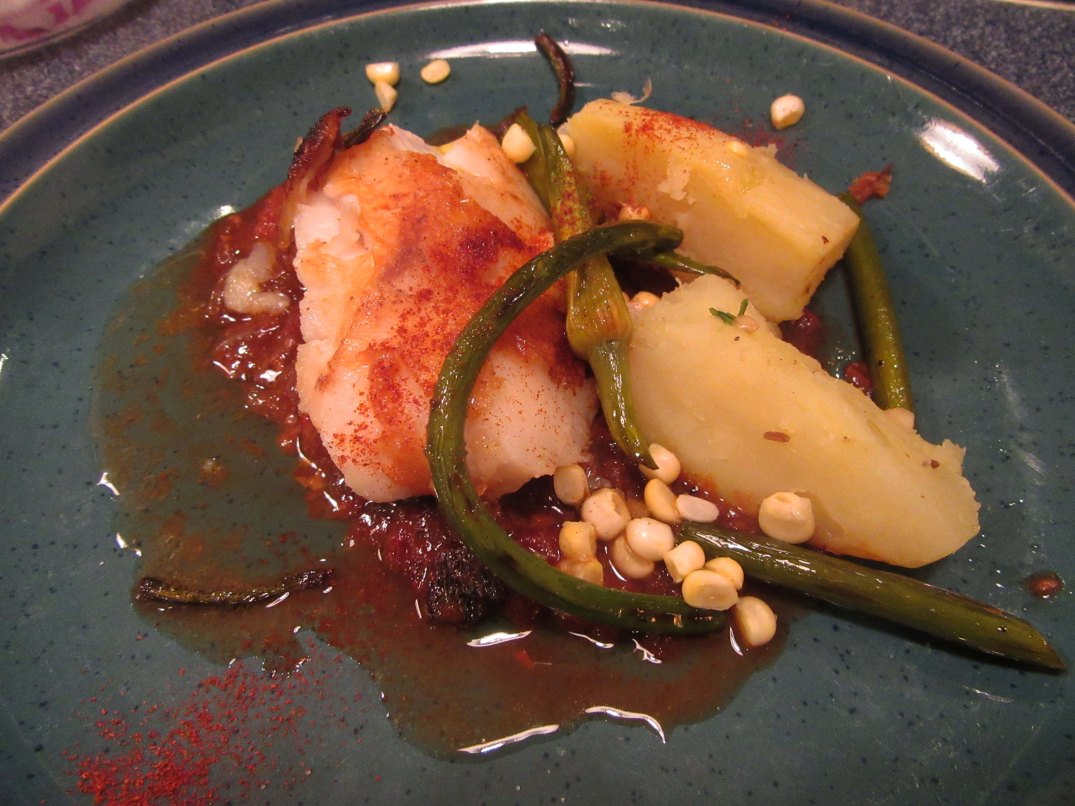
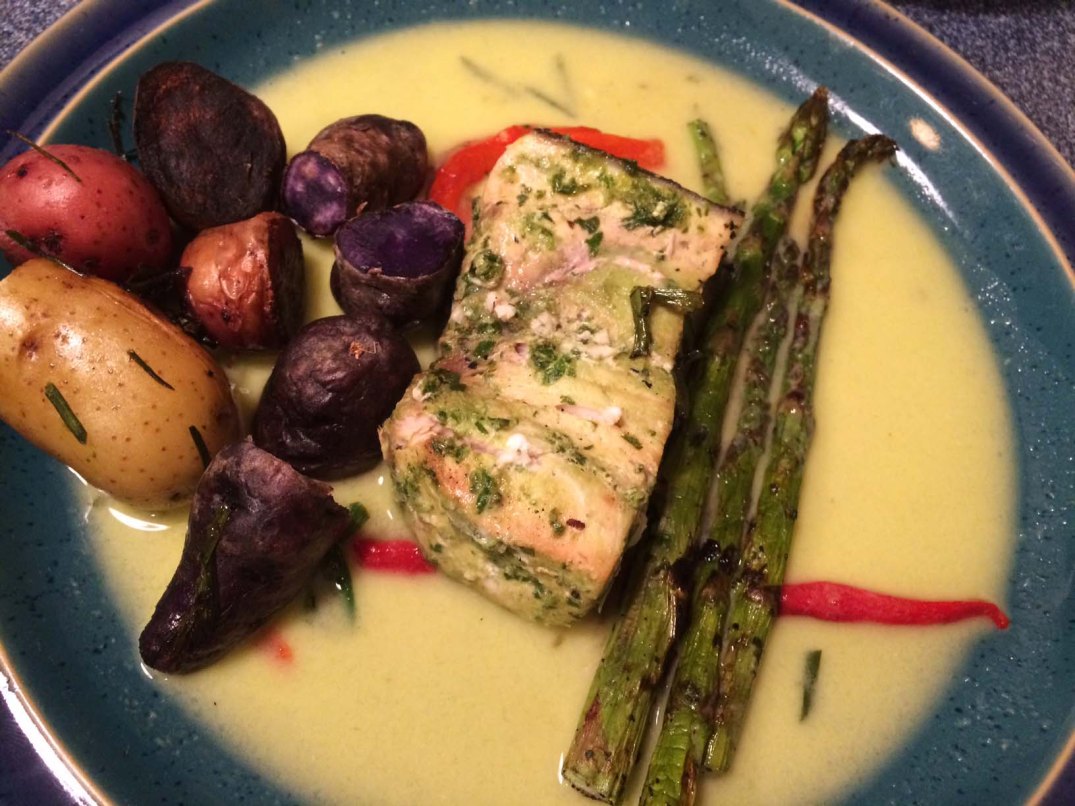
local stockholm salmon w summer vegetables, cloudberry habanero reduction

swecook5

deconstructed ‘marangsviss’: parsnip cream, pistacchio gelato, berry & black pepper pavlova

swecook7

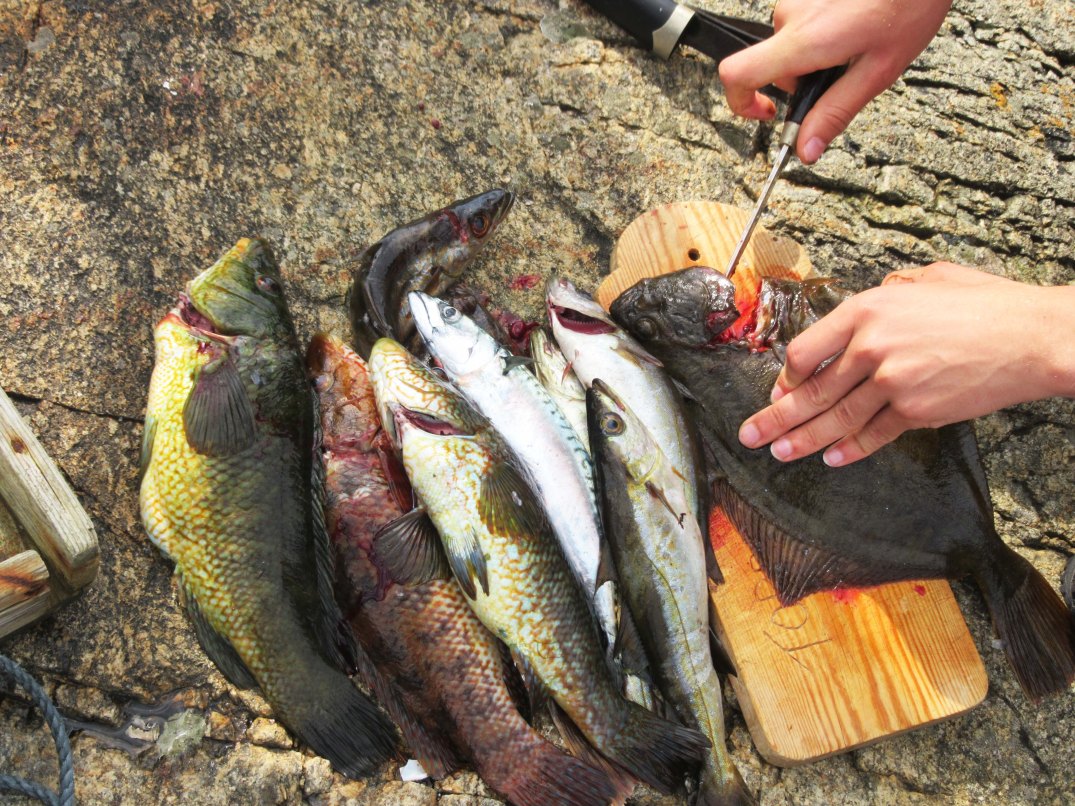
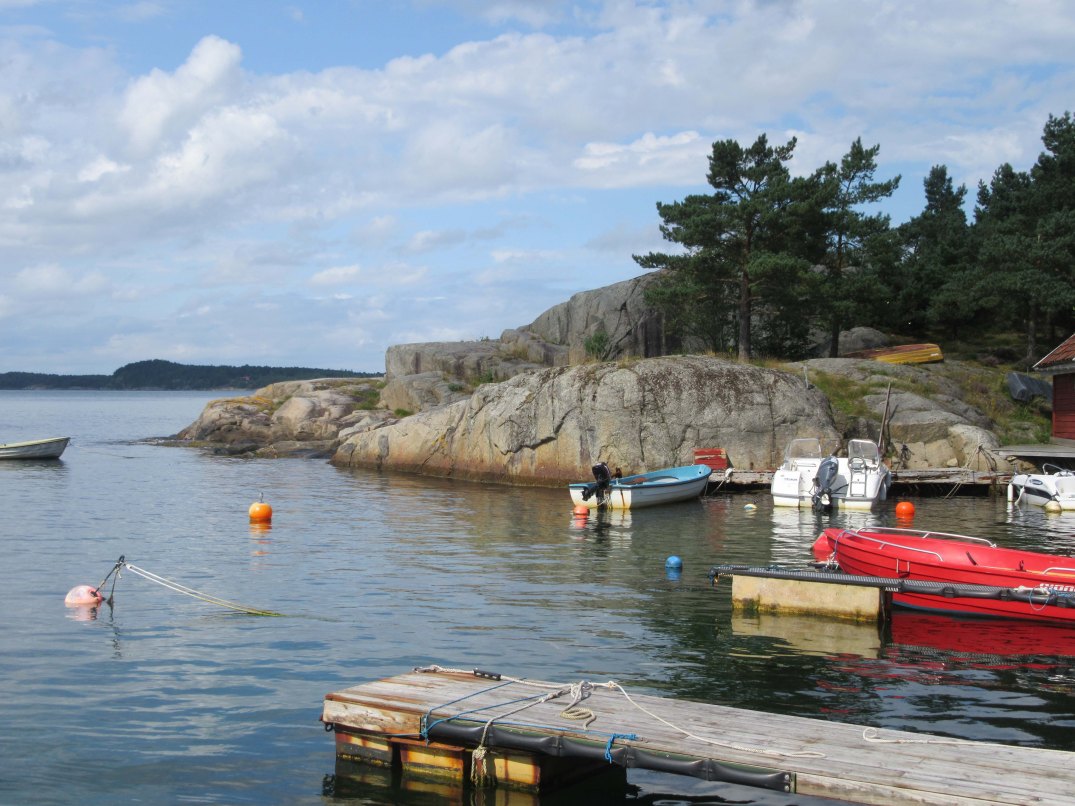
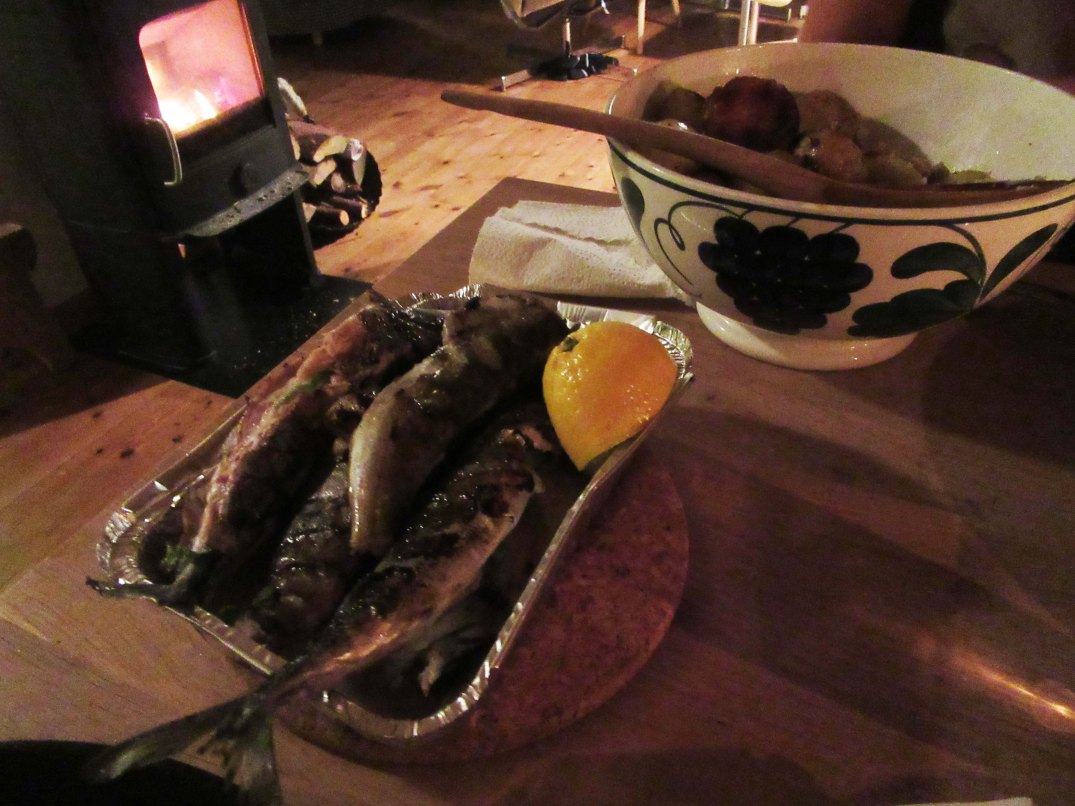
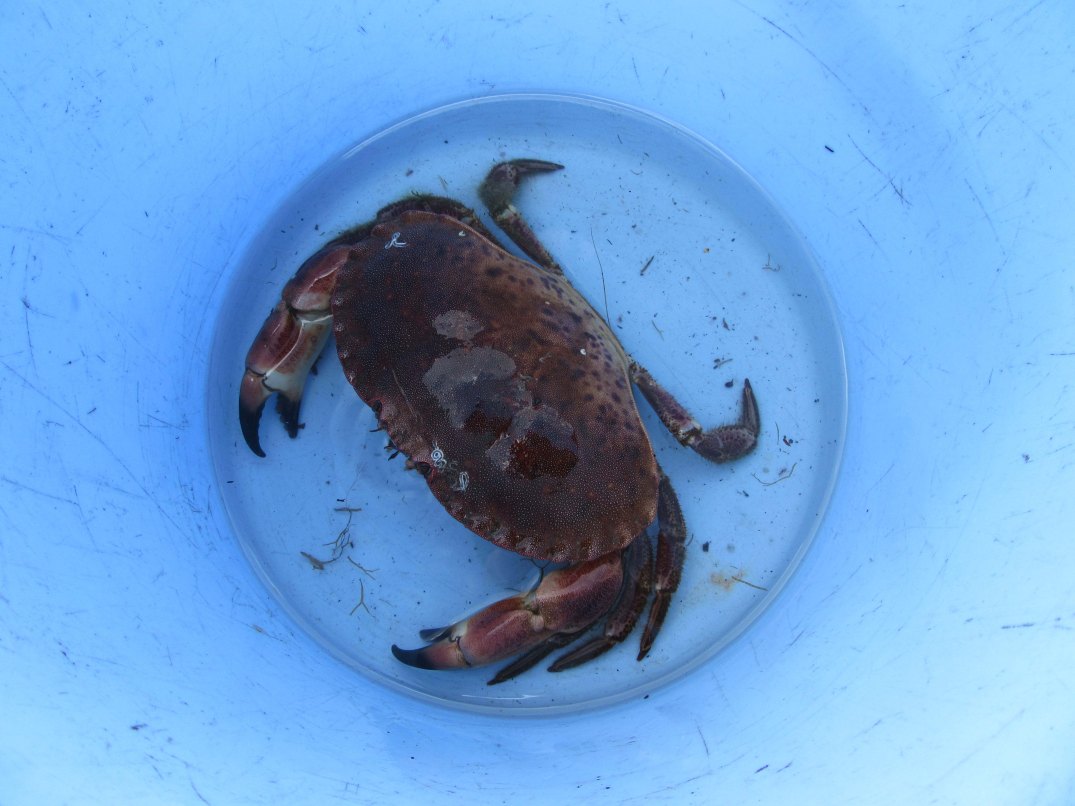
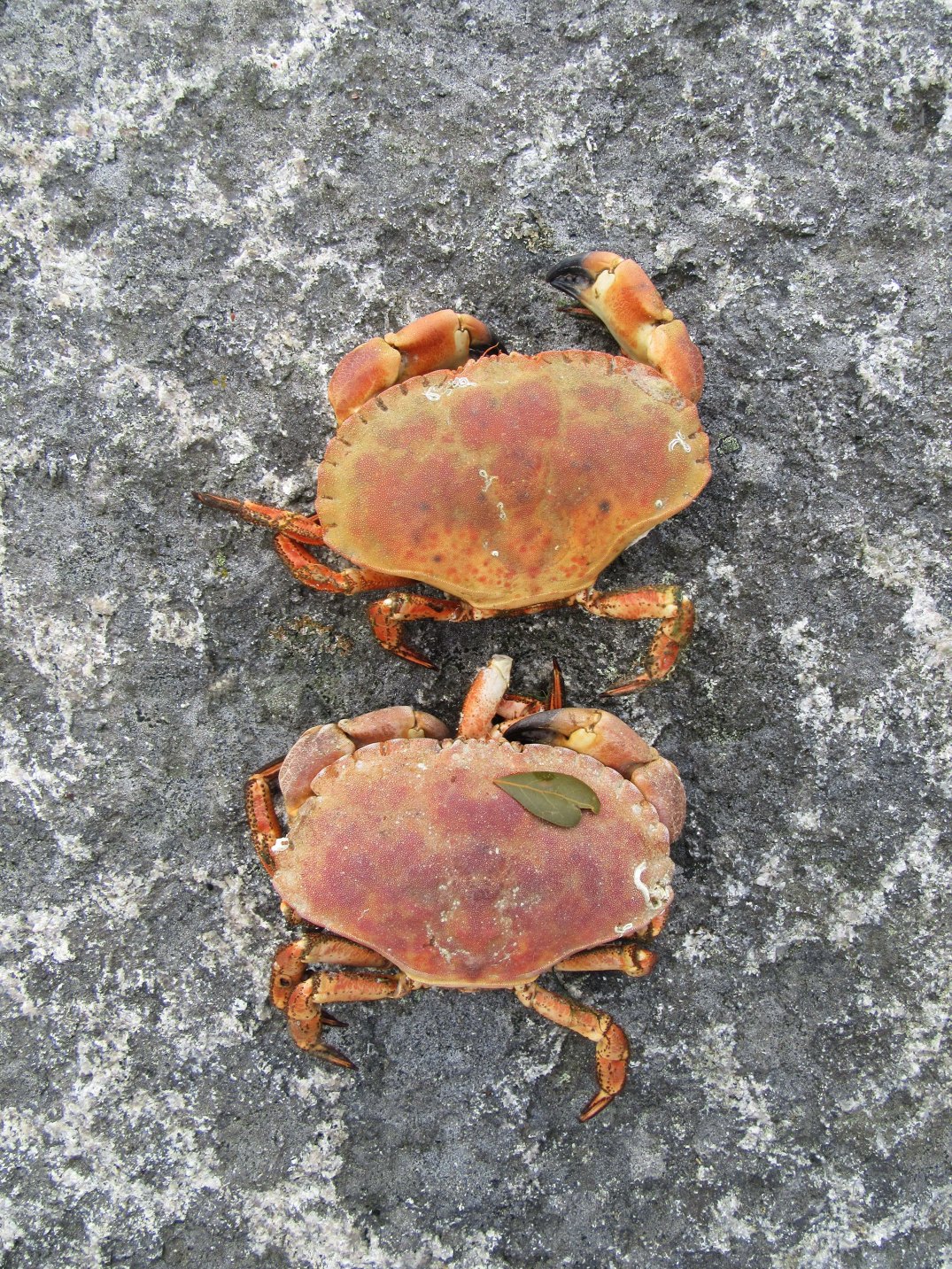
fishing and cooking in Stavanger, Norwayswecook8swecook9swecook10swecook11

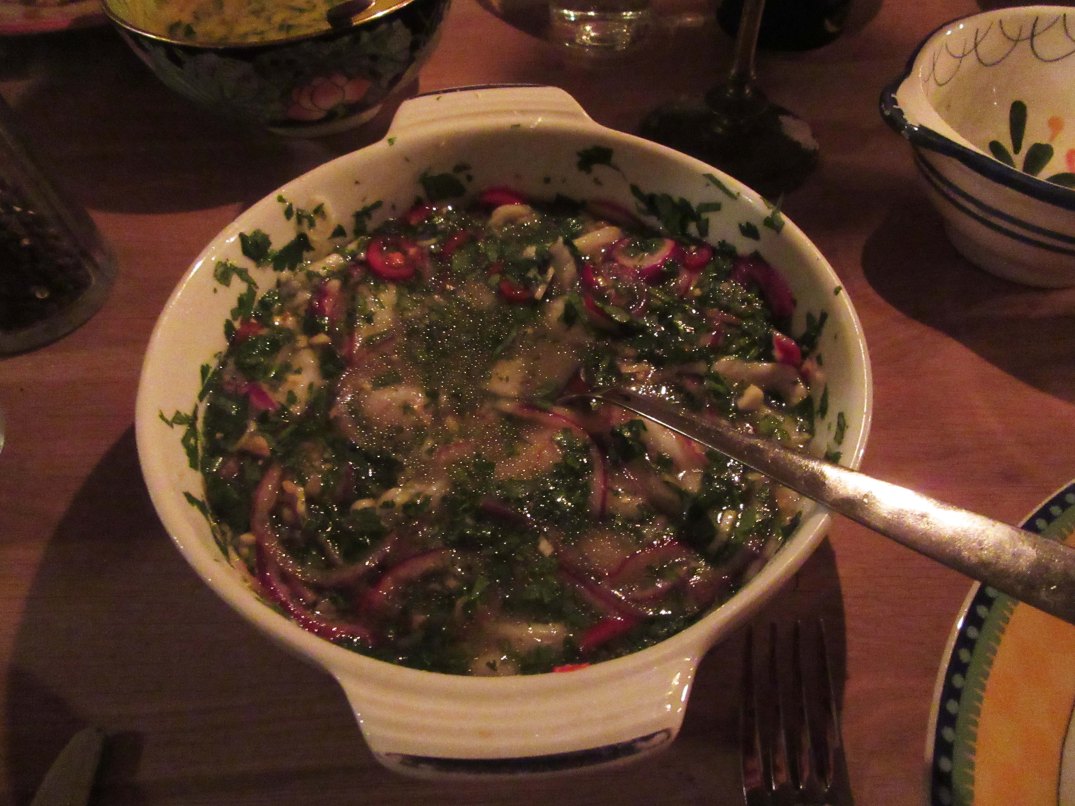
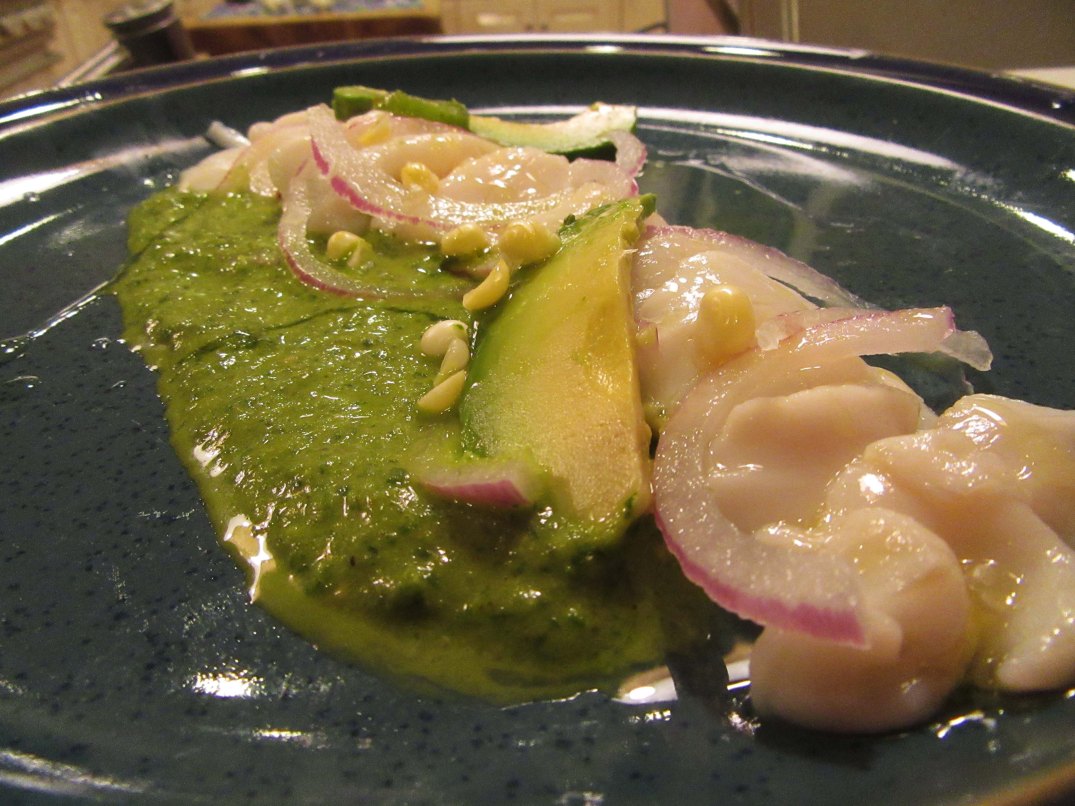
ceviche on catch of the dayswecook12swecook13swecook14swecook15

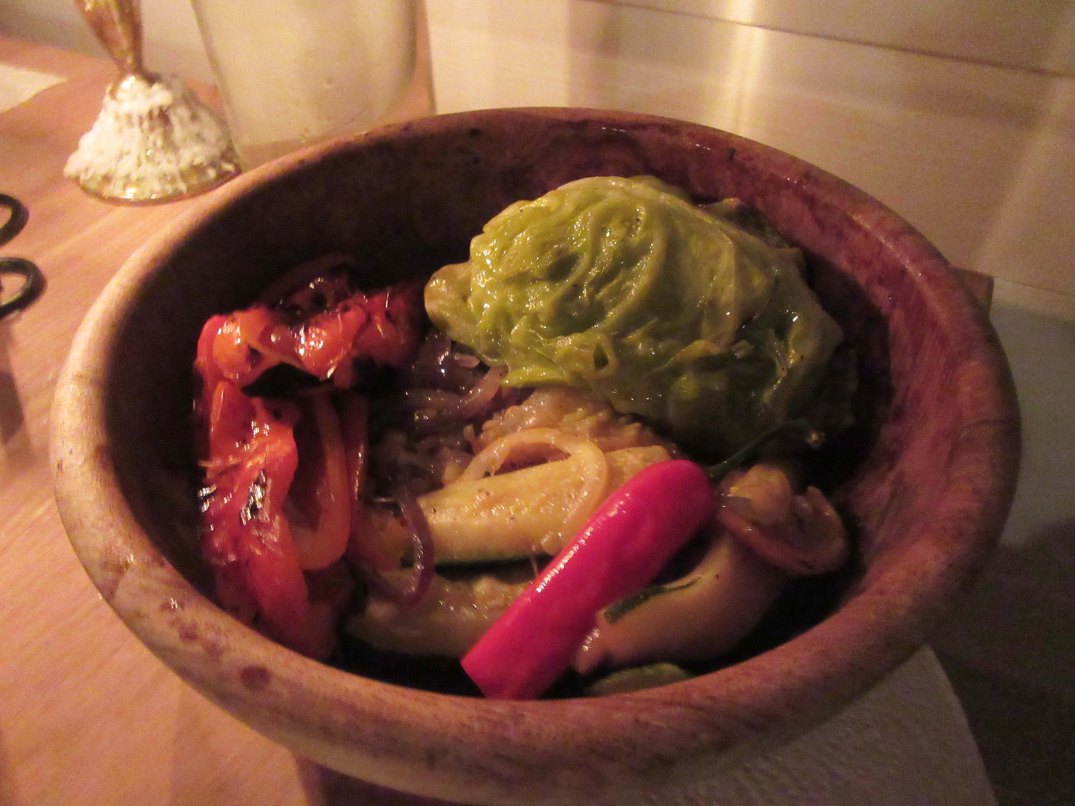
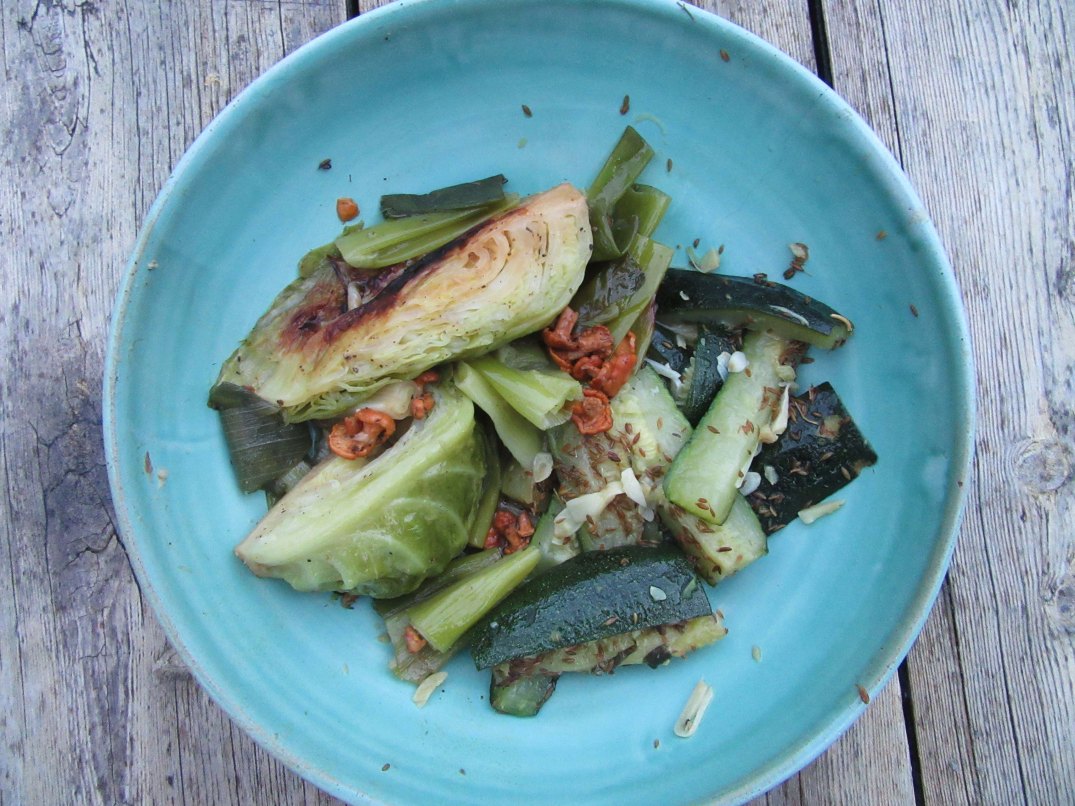
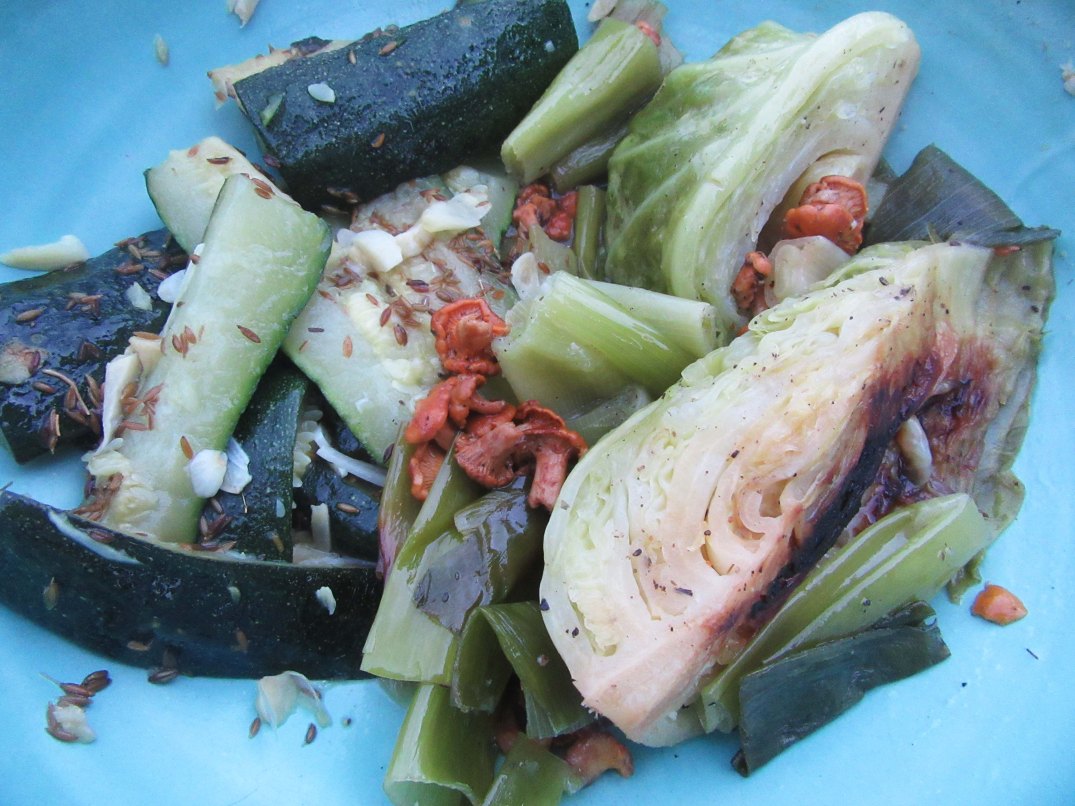
cabbage, grilled with local chanterelles and salt baked leekswecook16swecook17

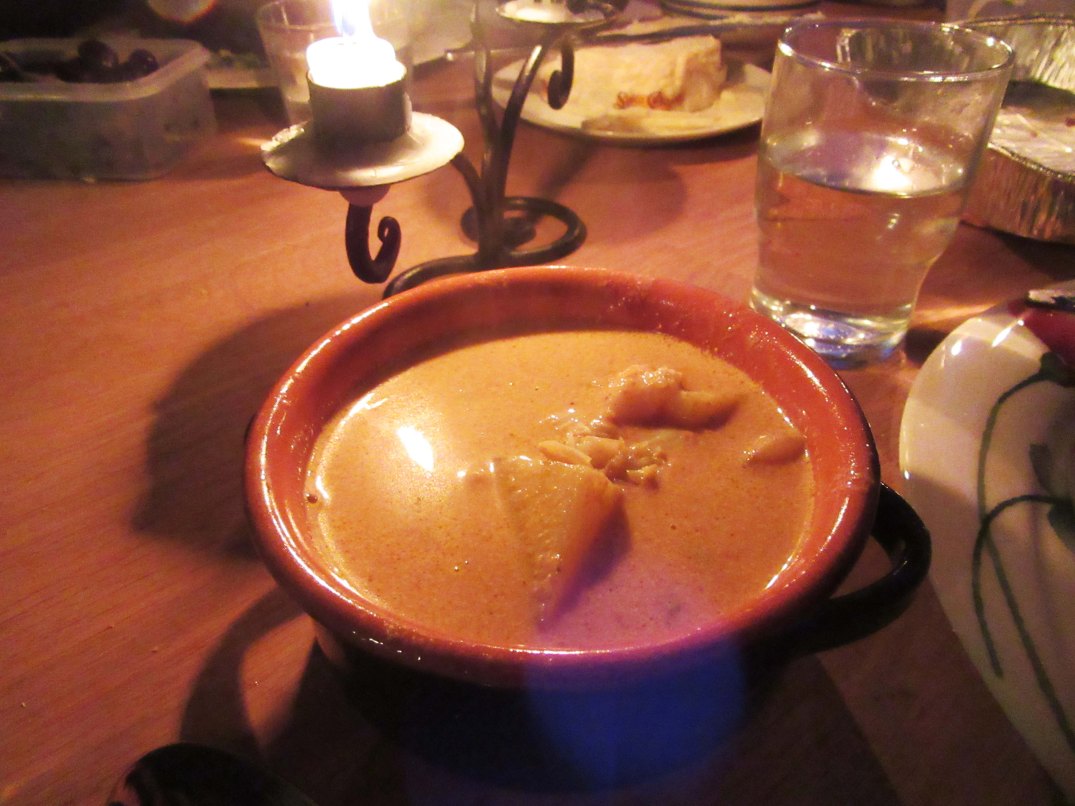
crab bisqueswecook18

First publication in graduate school: highlighting opportunities and gaps in our understanding of gut microbial chemistry as it relates to nutrition, pharmacology, toxicology

Excited to have my first publication in graduate school! Published recently in Science Magazine, this is a review article I wrote with my adviser, Emily Balskus, and a senior graduate student in the lab. The article discusses the incredibly exciting topic of how gut microbes degrade the molecules we ingest (food, drugs, pollutants) and thus impact our overall health. This article will give you a sense of the topics I work on in graduate school and also will lay out the many opportunities and challenges that we face as a field. Overall, the article is a nice representation of my academic work at the interface between chemistry, microbiology, and nutrition.

Find the full article here: http://science.sciencemag.org/content/356/6344/eaag2770.full

Here is more information about my thesis laboratory: https://scholar.harvard.edu/balskus/home

Here is the nice overview written by the editors at Science:

One person’s meat is another’s poison

The human gut is packed with actively metabolizing microorganisms. These have a transformative effect on what we ingest—whether food, drugs, or pollutants. Koppel et al. review the distinguishing features of microbial xenobiotic metabolism, its interaction with somatic metabolism, and interindividual variation. Depending on the functional composition of microorganisms in the gut, the subsequent products may have nutritionally beneficial effects, modify pharmaceuticals, or be toxic. All of these consequences of our companion microbes can have important impacts on human health and well-being.
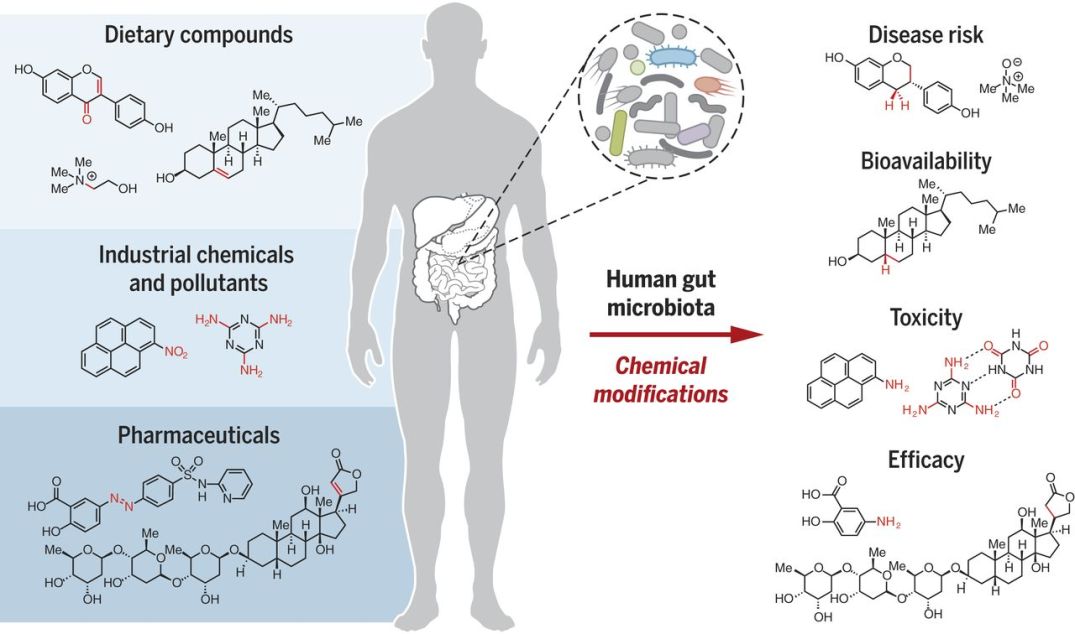
F1.large

Image from Science Magazine


Young Chefs and NAHSSP 2017

We just wrapped up another fantastic set of Young Chefs Program: From Cooking to Science workshops! We spent the last two days with the teachers and students part of the Harvard Medical School Native American High School Summer Science Program (https://www.hms.harvard.edu/dms/diversity/nahssp.html).   This program brings high school students and teachers from the Hopi and Fort Peck Reservations to Harvard University for three weeks of college-level science education. The focus is to communicate science concepts as it relate to their everyday lives and to empower students to become change-makers in their own communities. Naturally, two years ago we added a cooking-science component to engage students with the chemistry, biology, and physics of the kitchen. 

This year we had 14 students and 4 chaperones from the two communities. We first learned about the molecular solubility and neuroscience of capsaicin, the spicy molecule in chili peppers. Extracting this molecule into butter, we showed that it is hydrophobic and then used the spicy butter for a creative shrimp cocktail. The second day we spent learning about the physics of polymers and how their properties shape the texture of food. We made tortillas from scratch and measured their elasticity to quantify the perfect texture. The tortillas eventually became vehicles for delicious lobster tacos.

We were inspired by the Young Chefs chili and tortilla lesson plans, which you can find here: https://youngchefsprogram.org/educators/plans/

One of the most rewarding and fun teaching experiences this year! We are excited to continue this tradition every year!


cooking night

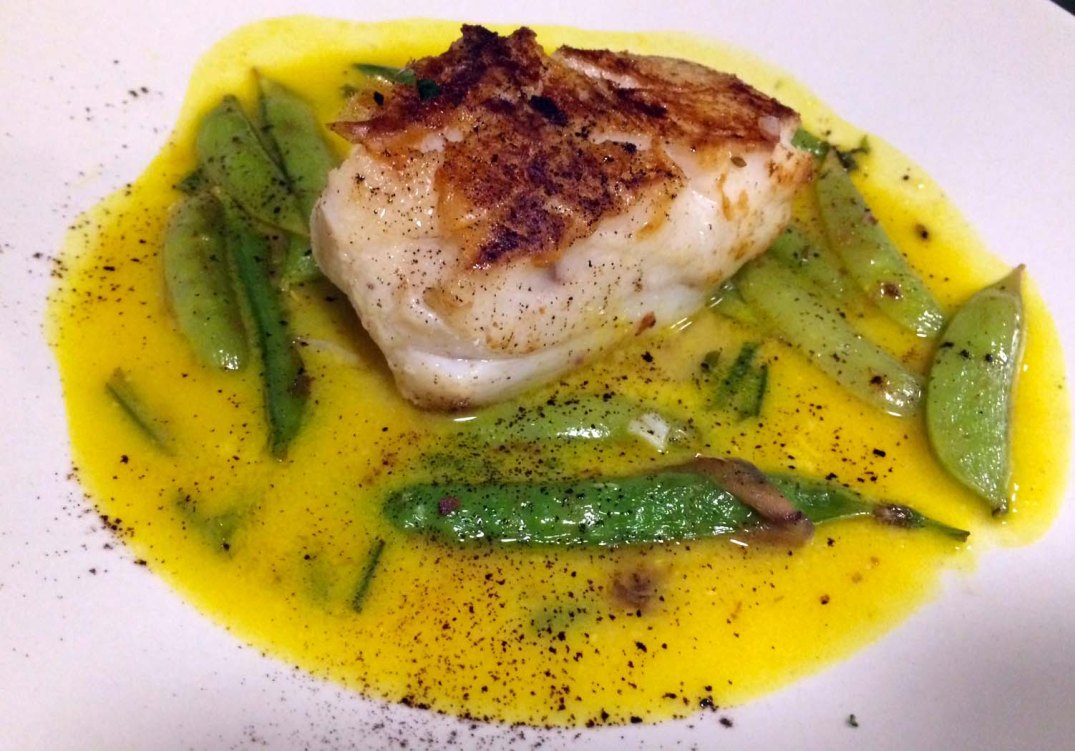
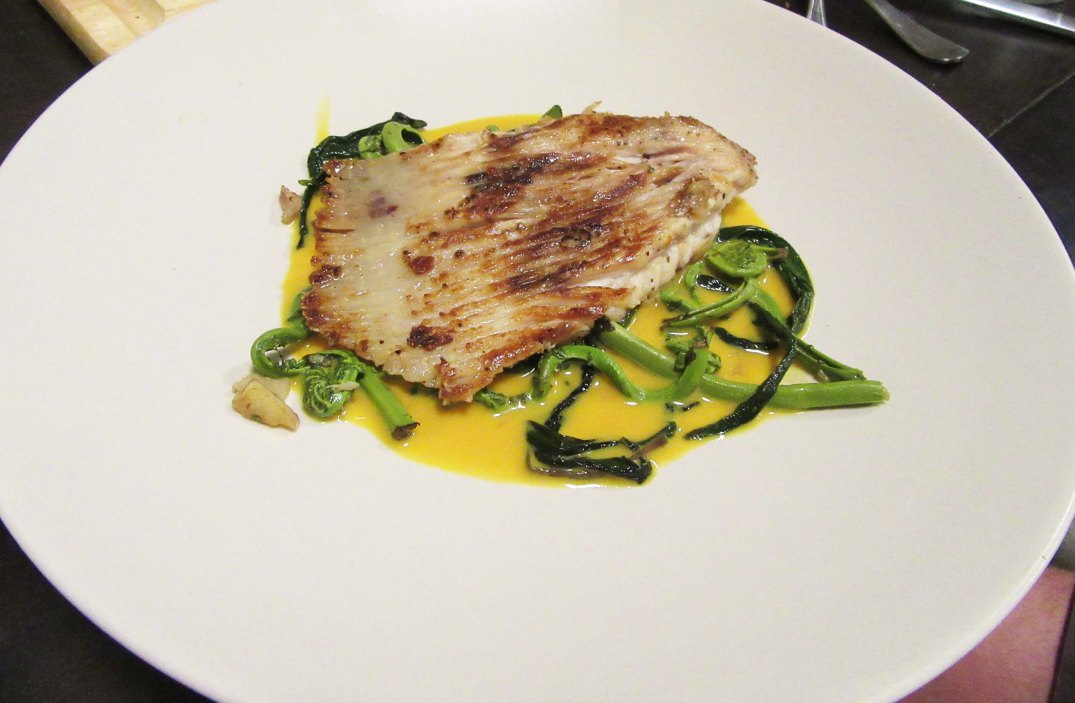
skate wing – saffron marsala reduction – grilled ramp – fiddlehead

skatewing1.jpg

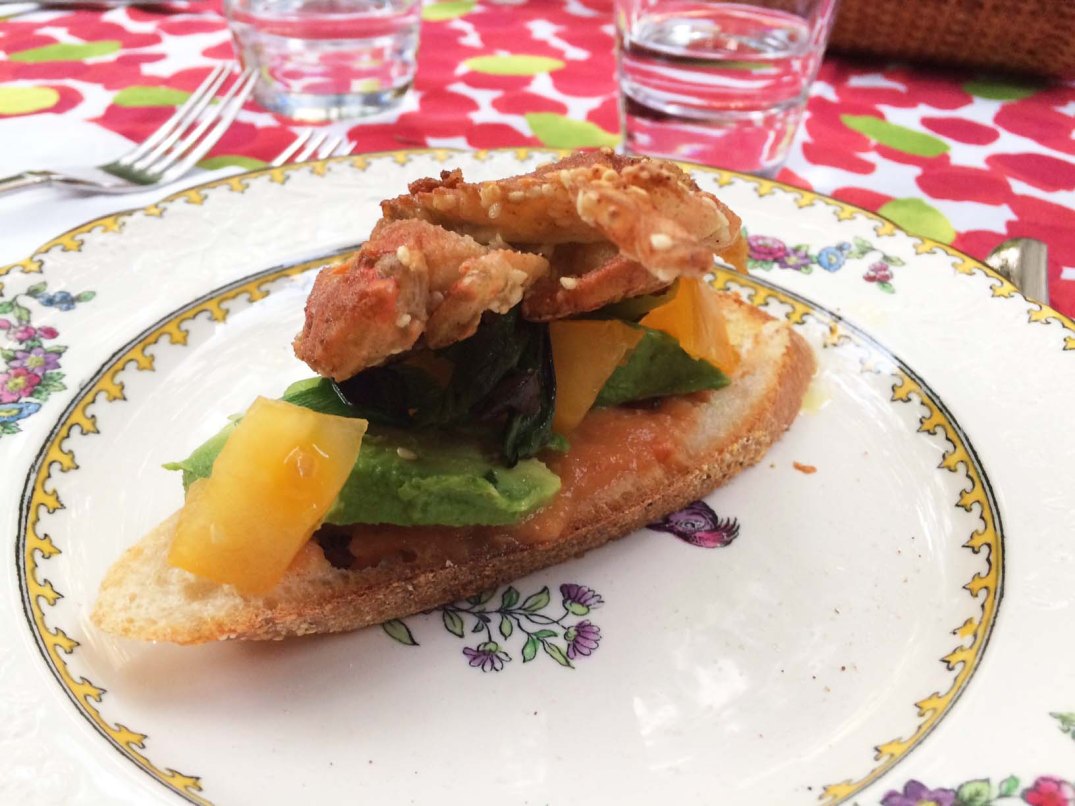
softshell crab dashi – roasted brussels sprouts – poashed egg – toasted sesame

skatewing3

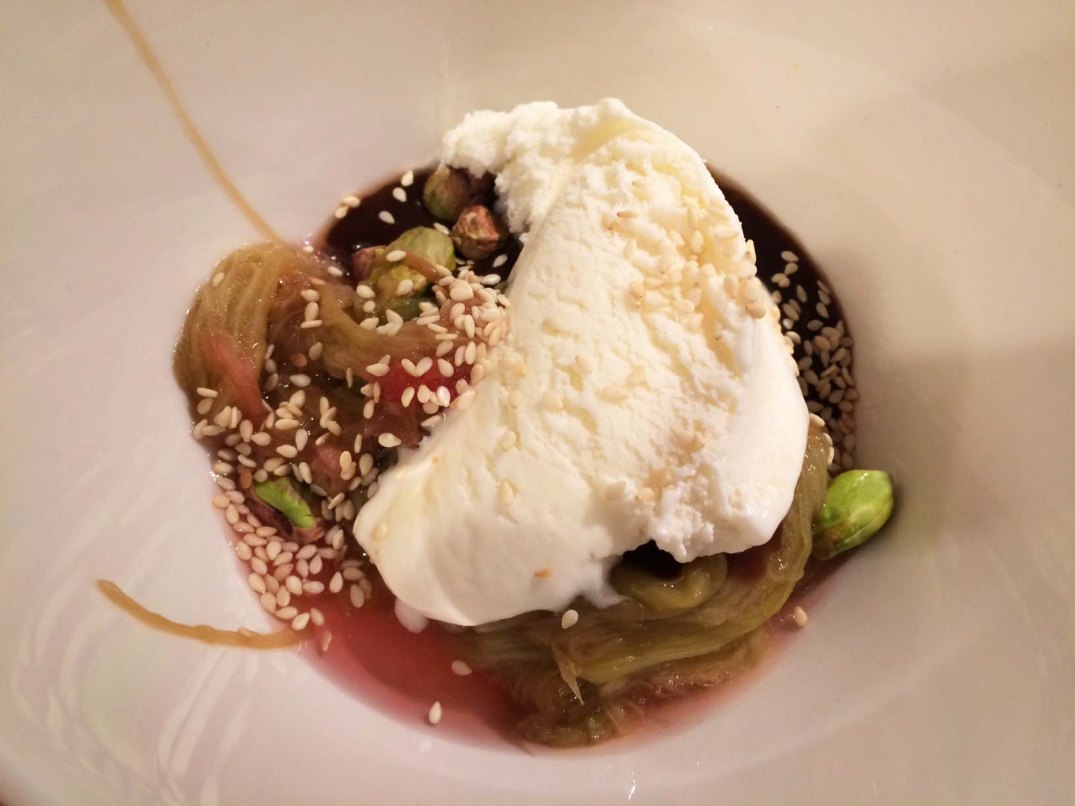
grilled rhubarb – black pepper miso caramel – whipped cream

skatewing2.jpg